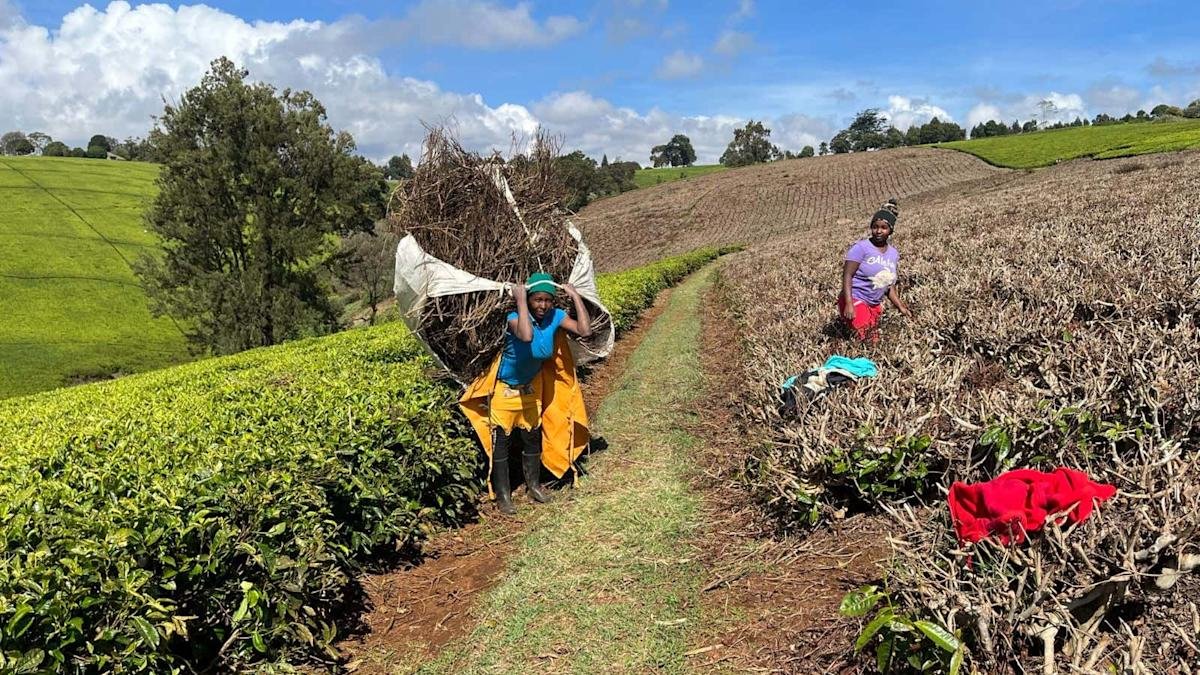
Revolutionising Kenya’s Tea Industry with Clean Energy
The UK-backed project aims to convert Kenya’s tea waste into clean energy and fertiliser, reducing the country’s reliance on fossil fuels. This innovative approach will not only benefit the environment but also boost the local economy. By utilising tea waste, the project will decrease greenhouse gas emissions and create a sustainable source of energy. The project’s success will have a positive impact on Kenya’s tea industry, which is a significant contributor to the country’s economy.
The tea industry in Kenya is a substantial sector, with the country being one of the world’s largest tea producers. However, the industry’s production processes have a considerable environmental impact, with tea waste being a significant contributor to pollution. The UK-backed project will help mitigate this issue by converting tea waste into clean energy and fertiliser, thereby reducing waste and promoting sustainability.
The project’s approach is based on a circular economy model, where tea waste is converted into valuable resources, reducing the need for landfills and minimising environmental pollution. This model will also create new job opportunities and stimulate local economic growth. The project’s success will depend on the collaboration between the UK and Kenyan governments, as well as the involvement of local communities and tea producers.
The use of clean energy and fertiliser will have a positive impact on the environment, reducing greenhouse gas emissions and promoting sustainable agriculture. The project will also contribute to the United Nations’ Sustainable Development Goals (SDGs), particularly SDG 7, which aims to ensure access to affordable and clean energy. By supporting this project, the UK government is demonstrating its commitment to reducing carbon emissions and promoting sustainable development.
The project’s innovative approach to converting tea waste into clean energy and fertiliser is an example of how technology and innovation can be used to address environmental challenges. The project’s success will have a positive impact on Kenya’s tea industry, the environment, and the local economy, making it a model for other countries to follow. The use of tea waste as a resource will also promote a culture of sustainability and reduce the country’s reliance on fossil fuels.
The UK-backed project is a significant step towards reducing Kenya’s carbon footprint and promoting sustainable development. The project’s focus on converting tea waste into clean energy and fertiliser will have a positive impact on the environment, the tea industry, and the local economy. As the project progresses, it is essential to monitor its success and identify areas for improvement, ensuring that the project’s benefits are maximised and its impact is long-lasting.
The project’s implementation will require careful planning and collaboration between the UK and Kenyan governments, as well as the involvement of local communities and tea producers. The project’s success will depend on the ability to balance the needs of the tea industry, the environment, and the local economy. By working together, the UK and Kenya can ensure that the project is a success and that its benefits are shared by all stakeholders.
The use of clean energy and fertiliser will have a positive impact on the environment, reducing greenhouse gas emissions and promoting sustainable agriculture. The project will also contribute to the UK’s commitment to reducing carbon emissions and promoting sustainable development. The project’s success will be a significant step towards achieving the UN’s SDGs, particularly SDG 7, and will demonstrate the UK’s commitment to supporting sustainable development in Africa.
The project’s innovative approach to converting tea waste into clean energy and fertiliser is an example of how technology and innovation can be used to address environmental challenges. The project’s success will have a positive impact on Kenya’s tea industry, the environment, and the local economy, making it a model for other countries to follow. The use of tea waste as a resource will also promote a culture of sustainability and reduce the country’s reliance on fossil fuels.
The UK-backed project is a significant step towards reducing Kenya’s carbon footprint and promoting sustainable development. The project’s focus on converting tea waste into clean energy and fertiliser will have a positive impact on the environment, the tea industry, and the local economy. As the project progresses, it is essential to monitor its success and identify areas for improvement, ensuring that the project’s benefits are maximised and its impact is long-lasting.