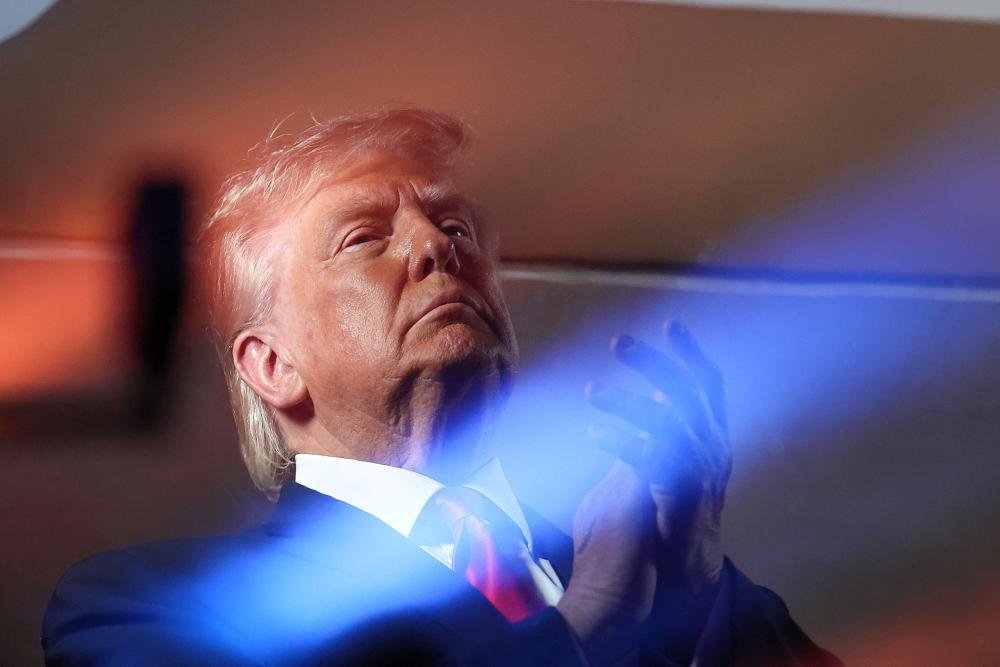
Understanding the Quid Pro Quo Mentality of Donald Trump
The concept of quid pro quo, a Latin phrase meaning ‘something for something’, has been a recurring theme in the behaviour of Donald Trump. Every time he does somebody a favour, it is often with the expectation of receiving something in return. This mentality has been likened to that of Don Corleone, the infamous character from The Godfather.
This quid pro quo approach to relationships and business dealings has been a hallmark of Trump’s career, with many instances of him using his power and influence to secure favours and benefits. Whether in the world of real estate, entertainment, or politics, Trump has consistently demonstrated a willingness to dole out favours and expect something in return.
Analysing Trump’s behaviour through the lens of quid pro quo reveals a complex web of motivations and intentions. On one hand, it can be seen as a pragmatic approach to getting things done, where mutually beneficial agreements are forged and everyone walks away with something they want. On the other hand, it raises questions about the ethics and morality of such an approach, particularly when it involves the abuse of power and influence.
As we delve deeper into the world of quid pro quo, it becomes clear that Trump’s behaviour is not unique, but rather a symptom of a broader cultural phenomenon. In a society where reciprocity and mutual benefit are often seen as the ultimate goals, it is not surprising that individuals like Trump would adopt a quid pro quo mentality. However, it is essential to examine the implications of such an approach and consider the potential consequences for our collective well-being.
The colour of Trump’s quid pro quo mentality is multifaceted, reflecting both the benefits and drawbacks of this approach. While it can be an effective way to build relationships and achieve success, it also raises concerns about the erosion of trust and the exploitation of power. As we navigate the complexities of this mentality, it is crucial to consider the long-term effects on our society and the importance of fostering a culture of genuine cooperation and mutual respect.
Ultimately, the quid pro quo mentality of Donald Trump serves as a reminder of the need for transparency, accountability, and ethics in all aspects of life. By analysing and understanding this phenomenon, we can work towards creating a more just and equitable society, where relationships are built on trust, respect, and a genuine desire to do good.
As we reflect on the implications of Trump’s quid pro quo mentality, it is essential to consider the role of leadership and the impact of such behaviour on our collective psyche. By promoting a culture of reciprocity and mutual benefit, we can foster a more positive and collaborative environment, where individuals and organisations work together towards common goals. However, this requires a nuanced understanding of the quid pro quo mentality and its potential consequences, as well as a commitment to upholding the highest standards of ethics and integrity.
In conclusion, the quid pro quo mentality of Donald Trump is a complex and multifaceted phenomenon that warrants careful consideration and analysis. By examining the implications of this approach and promoting a culture of genuine cooperation and mutual respect, we can work towards creating a more just and equitable society. As we move forward, it is essential to prioritize transparency, accountability, and ethics in all aspects of life, and to foster a culture of trust, respect, and reciprocity.