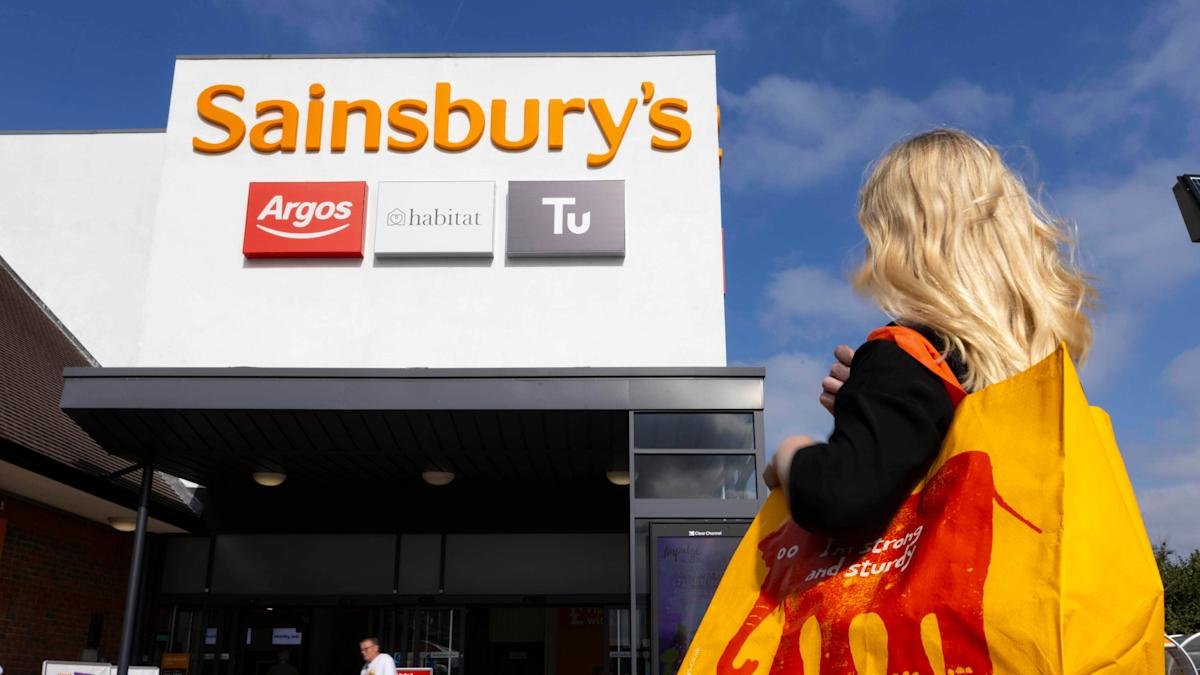
Sainsbury’s Festive Grocery Sales Sparkle
Sainsbury’s has reported a strong performance in its festive grocery sales, with a notable increase in demand for premium and fresh products. The retailer’s focus on quality and convenience has paid off, driving sales growth during the holiday period. This success is a testament to the company’s ability to analyse consumer behaviour and adapt to changing trends. The grocery sector has been highly competitive, but Sainsbury’s has managed to differentiate itself.
However, the retailer’s non-food arm and Argos business have struggled to match the same level of success. Despite efforts to improve the shopping experience and expand product ranges, these segments have faced challenges in recent months. The decline in non-food sales has been a concern for Sainsbury’s, as it seeks to diversify its revenue streams and reduce dependence on grocery sales. The company will need to reassess its strategy and consider new initiatives to boost performance.
The UK retail sector has been under significant pressure, with many companies facing difficulties due to changing consumer behaviour and economic uncertainty. Sainsbury’s has been working to navigate these challenges, investing in digital transformation and improving the customer experience. The company’s commitment to innovation and customer satisfaction has helped it stay ahead of the competition. As the retail landscape continues to evolve, Sainsbury’s will need to remain agile and responsive to changing consumer needs.
The festive season has been a critical period for Sainsbury’s, with the retailer seeking to drive sales growth and increase market share. While the grocery business has performed well, the non-food arm and Argos have faced challenges. Sainsbury’s will need to carefully analyse its performance and develop strategies to address areas of weakness. By doing so, the company can build on its strengths and achieve long-term success. The UK retail sector is highly competitive, but Sainsbury’s has the potential to thrive with the right approach.
Sainsbury’s has been focusing on its online presence, with efforts to enhance the digital shopping experience and improve delivery options. The company has invested in its e-commerce platform, aiming to make it more user-friendly and convenient for customers. This strategy has helped drive sales growth, particularly in the grocery sector. As the UK retail sector continues to shift towards online shopping, Sainsbury’s is well-placed to benefit from this trend.
The company’s commitment to quality and customer satisfaction has been a key factor in its success. Sainsbury’s has been working to improve its product ranges, with a focus on fresh and premium items. This approach has resonated with consumers, who are increasingly seeking high-quality products and a convenient shopping experience. The retailer’s ability to deliver on these expectations has helped drive sales growth and increase customer loyalty.
As the UK retail sector continues to evolve, Sainsbury’s will need to remain focused on its customers and adapt to changing trends. The company’s success in the grocery sector is a positive sign, but it must also address the challenges facing its non-food arm and Argos business. By doing so, Sainsbury’s can achieve long-term success and maintain its position as a leading UK retailer. The company’s future prospects are closely tied to its ability to innovate and respond to changing consumer behaviour.
The retail sector is highly competitive, with many companies vying for market share. Sainsbury’s has a strong brand and a loyal customer base, but it must continue to innovate and improve the shopping experience. The company’s investment in digital transformation and customer satisfaction has helped drive sales growth, but it must also address areas of weakness. By doing so, Sainsbury’s can build on its strengths and achieve long-term success in the UK retail sector.
Sainsbury’s has been working to reduce its environmental impact, with a focus on sustainability and reducing waste. The company has implemented various initiatives, such as reducing packaging and increasing recycling. This approach has resonated with consumers, who are increasingly seeking environmentally responsible companies. Sainsbury’s commitment to sustainability has helped enhance its brand reputation and appeal to a wider customer base.
The UK retail sector is facing significant challenges, with many companies struggling to adapt to changing consumer behaviour. Sainsbury’s has been working to navigate these challenges, investing in digital transformation and improving the customer experience. The company’s ability to analyse consumer trends and adapt to changing needs has helped drive sales growth and increase market share. As the retail landscape continues to evolve, Sainsbury’s is well-placed to thrive with the right approach.
Sainsbury’s has a strong track record of innovation, with a focus on improving the shopping experience and driving sales growth. The company has invested in various initiatives, such as digital transformation and sustainability. This approach has helped Sainsbury’s stay ahead of the competition and achieve long-term success. As the UK retail sector continues to shift towards online shopping and sustainability, Sainsbury’s is well-placed to benefit from these trends.
The company’s success in the grocery sector is a positive sign, but it must also address the challenges facing its non-food arm and Argos business. By doing so, Sainsbury’s can achieve long-term success and maintain its position as a leading UK retailer. The company’s future prospects are closely tied to its ability to innovate and respond to changing consumer behaviour. With the right approach, Sainsbury’s can build on its strengths and achieve continued success in the UK retail sector.