Europe’s Solar Lag: Understanding the Delay
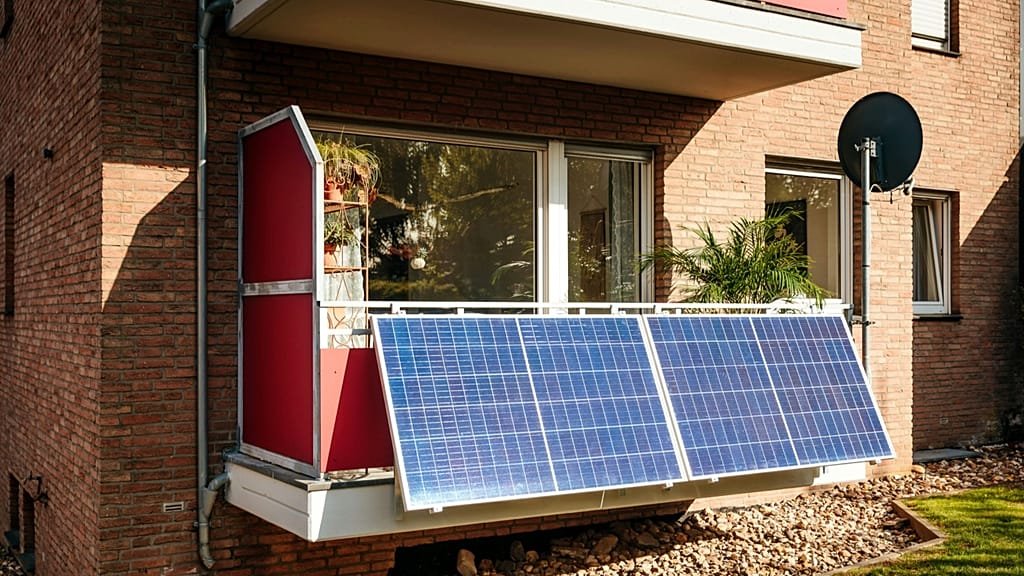
As the world shifts towards renewable energy, Germany has emerged as a pioneer in plug-in solar technology. The country’s commitment to sustainability has sparked a solar revolution, with numerous households and businesses embracing the benefits of clean energy. However, the question remains: what’s taking other European countries so long to follow suit? The answer lies in a combination of factors, including policy, infrastructure, and behaviour.
One major obstacle is the lack of cohesive policies and regulations across Europe. While Germany has implemented favourable laws and incentives, other nations have been slower to adapt. This disparity has created a patchwork of different standards and requirements, making it challenging for companies to navigate the market. Furthermore, the varying levels of government support have resulted in a lack of uniformity in the industry.
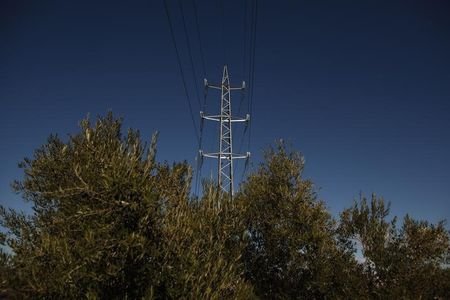
Another significant hurdle is the need for upgraded infrastructure. Many European countries have outdated grids that are not equipped to handle the influx of renewable energy. This has led to concerns about the stability and reliability of the power supply, deterring some nations from investing in solar. Moreover, the cost of modernising the infrastructure is a substantial barrier, particularly for smaller countries with limited resources.
In addition to these challenges, there is also a need to analyse and address the social and cultural factors influencing the adoption of solar energy. Changing behaviour and attitudes towards renewable energy requires a concerted effort from governments, businesses, and individuals. Education and awareness campaigns can play a crucial role in promoting the benefits of solar and encouraging people to make the switch.
Despite these obstacles, there are reasons to be optimistic about the future of solar energy in Europe. As technology continues to evolve and costs decrease, the appeal of renewable energy will only grow. Moreover, the European Union’s commitment to reducing carbon emissions and promoting sustainability will likely drive investment and innovation in the sector.
As the demand for clean energy continues to rise, it is essential for European countries to learn from Germany’s example and work towards creating a more favourable environment for solar adoption. By addressing the existing challenges and capitalising on the opportunities, Europe can unlock its full potential and become a leader in the global solar market.
The colour of the future is undoubtedly green, and it is up to European nations to seize the initiative and make a positive impact on the environment. With the right policies, infrastructure, and mindset, the continent can harness the power of solar energy and create a brighter, more sustainable future for all.