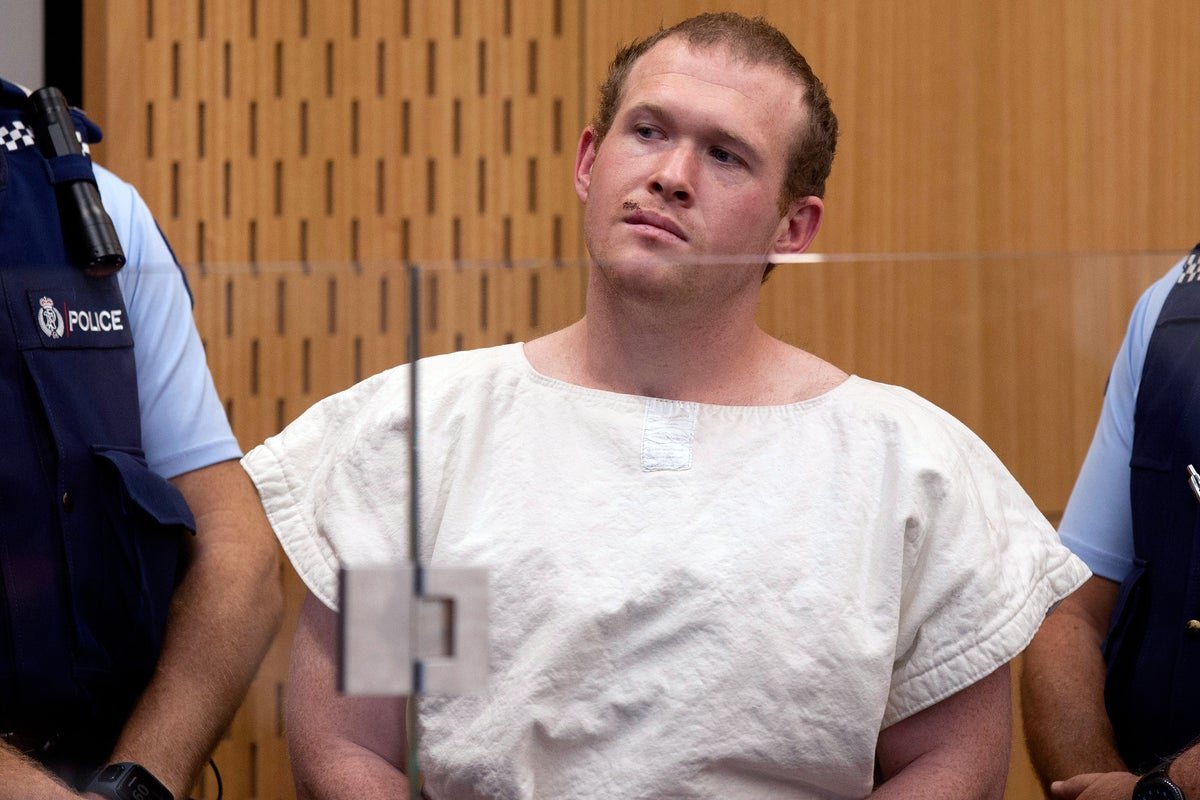
New Zealand Mosque Attacks: Understanding the Verdict
The man responsible for the devastating New Zealand mosque attacks has lost his bid to abandon his guilty pleas. This decision comes after a thorough examination of the case, highlighting the severity of the crimes committed. The attacks, which occurred in 2019, resulted in the loss of 51 innocent lives. The perpetrator’s actions were widely condemned, sparking widespread outrage and sadness.
The legal proceedings have been closely watched, with many awaiting the outcome of the defendant’s attempt to retract his guilty pleas. However, the court’s decision to uphold the original pleas reflects the strength of the evidence against him. This ruling brings a sense of closure to the families of the victims, who have endured immense pain and suffering.
The New Zealand mosque attacks were a tragic reminder of the dangers of extremism and hatred. The incident led to a significant shift in the country’s gun laws, with the government implementing stricter regulations to prevent such atrocities from occurring in the future. The international community also came together to condemn the attacks, promoting unity and solidarity against terrorism.
As the world continues to grapple with the threat of terrorism, the New Zealand mosque attacks serve as a poignant reminder of the importance of promoting tolerance and understanding. The verdict in this case is a testament to the commitment of the justice system to holding perpetrators accountable for their actions.
The road to recovery for the affected communities will be long and arduous, but the outcome of this case provides a sense of justice and vindication. The defendant’s guilty pleas will help to bring closure to the families of the victims, allowing them to begin the healing process.
In the aftermath of the attacks, New Zealand came together to support the affected communities, demonstrating remarkable resilience and solidarity. The country’s behaviour in the face of tragedy has been a powerful example of the human spirit’s capacity for compassion and kindness.
As we reflect on the New Zealand mosque attacks, it is essential to analyse the root causes of such tragedies and work towards creating a more inclusive and compassionate society. By promoting understanding and tolerance, we can strive to prevent similar incidents from occurring in the future.
The colour of tolerance and love has overshadowed the darkness of hatred, as people from all walks of life have come together to condemn the attacks and support the victims’ families. This sense of unity is a beacon of hope, reminding us that even in the face of adversity, humanity can prevail.