Cutting Daily Expenses to Cope with Rising Fuel Costs
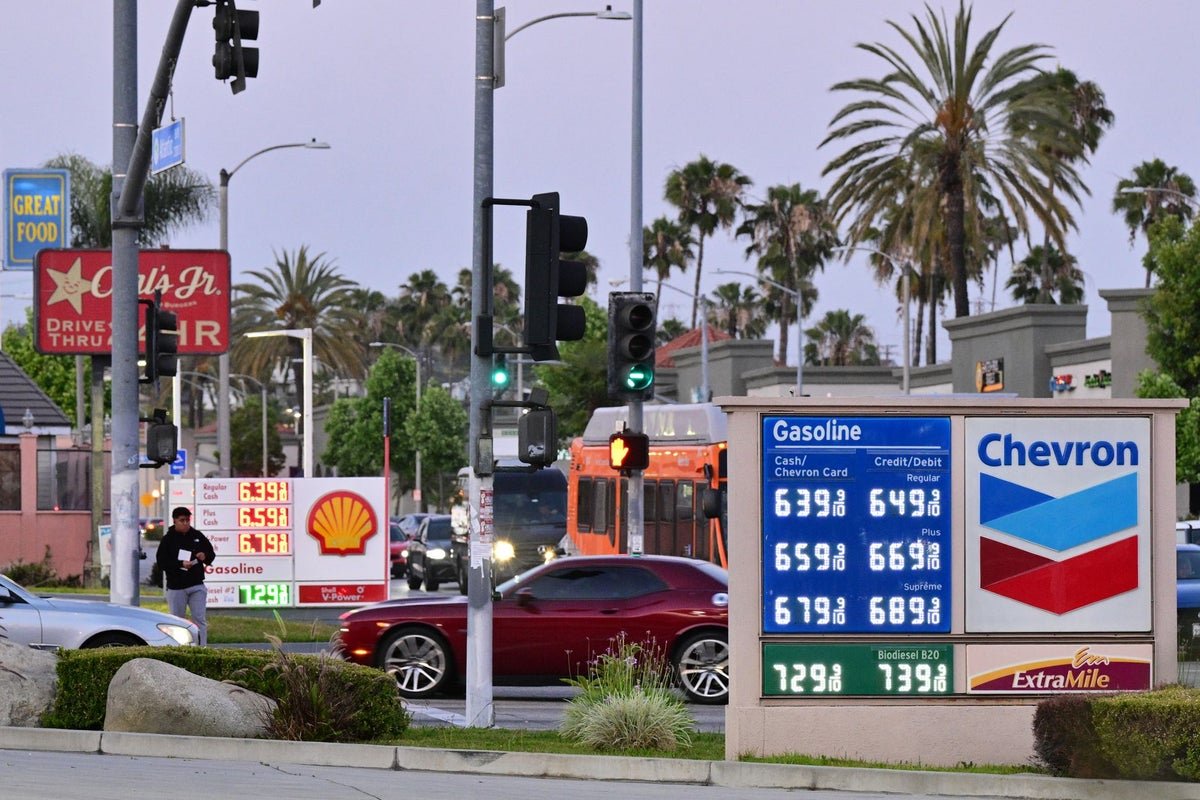
As petrol prices continue to soar, many individuals are being forced to reassess their daily expenses. With the current economic climate, it’s becoming increasingly difficult for people to make ends meet. The behaviour of motorists is changing, with many opting to cut back on non-essential spending to accommodate the rising cost of fuel.
The colour of the economy is looking bleak, with many experts predicting further price hikes in the coming months. As a result, people are having to analyse their budgets and make tough decisions about where to cut back. For some, this means reducing their weekly shop or cancelling social engagements.
The situation is being exacerbated by the ongoing conflict in Iran, which is having a significant impact on global oil prices. As the situation continues to unfold, it’s likely that petrol prices will remain high, forcing people to continue cutting back on their daily expenses. The impact on behaviour is already being felt, with many people choosing to car share or use public transport instead of driving.
Furthermore, the rising cost of fuel is also having an impact on businesses, with many companies being forced to increase their prices to accommodate the higher cost of petrol. This, in turn, is having a knock-on effect on the economy, making it even harder for people to make ends meet. As the situation continues to deteriorate, it’s essential for individuals and businesses to find ways to cope with the rising cost of fuel.
In addition to cutting back on daily expenses, there are other ways to cope with the rising cost of fuel. One option is to consider using more fuel-efficient vehicles or exploring alternative modes of transport. By taking a proactive approach, individuals can reduce their reliance on petrol and mitigate the impact of rising fuel costs.
Moreover, the government can also play a role in helping to alleviate the pressure on motorists. By investing in alternative energy sources and improving public transport infrastructure, the government can help to reduce our reliance on fossil fuels and create a more sustainable transport system. This, in turn, can help to reduce the impact of rising fuel costs on the economy and individual households.
Ultimately, the rising cost of fuel is a complex issue that requires a multifaceted solution. By working together, individuals, businesses, and the government can find ways to cope with the rising cost of fuel and create a more sustainable future. As the situation continues to evolve, it’s essential to remain proactive and adaptable, exploring new ways to reduce our reliance on petrol and mitigate the impact of rising fuel costs.
In conclusion, the rising cost of fuel is a pressing issue that requires immediate attention. By cutting back on daily expenses, exploring alternative modes of transport, and working together to create a more sustainable transport system, we can reduce the impact of rising fuel costs and create a better future for all. The situation is challenging, but by taking a proactive and collective approach, we can overcome the difficulties posed by soaring petrol prices.