Dine and Dashers: The Shocking Truth Behind Restaurant Scams
Restaurant owners have long been aware of the issue of ‘dine and dashers’, who eat at their establishments and then leave without paying. However, the tactics used by these individuals have become increasingly brazen. From fake ’emergency’ nappy changes to hiding hair in food, the behaviour of these diners is appalling.
One of the most disturbing tactics used by dine and dashers is to pretend to have an ’emergency’ that requires them to leave the restaurant immediately. This can include claiming a child has had an accident, or that they have received a distressing phone call. While these claims may seem legitimate, they are often just a ruse to avoid paying the bill.
Another tactic used by dine and dashers is to complain about their food, claiming that it is inedible or that it has been contaminated in some way. This can include hiding hair or other foreign objects in their meal, and then claiming that the restaurant is at fault. This behaviour is not only unacceptable, but it also puts a huge burden on the restaurant, which can suffer significant financial losses as a result.
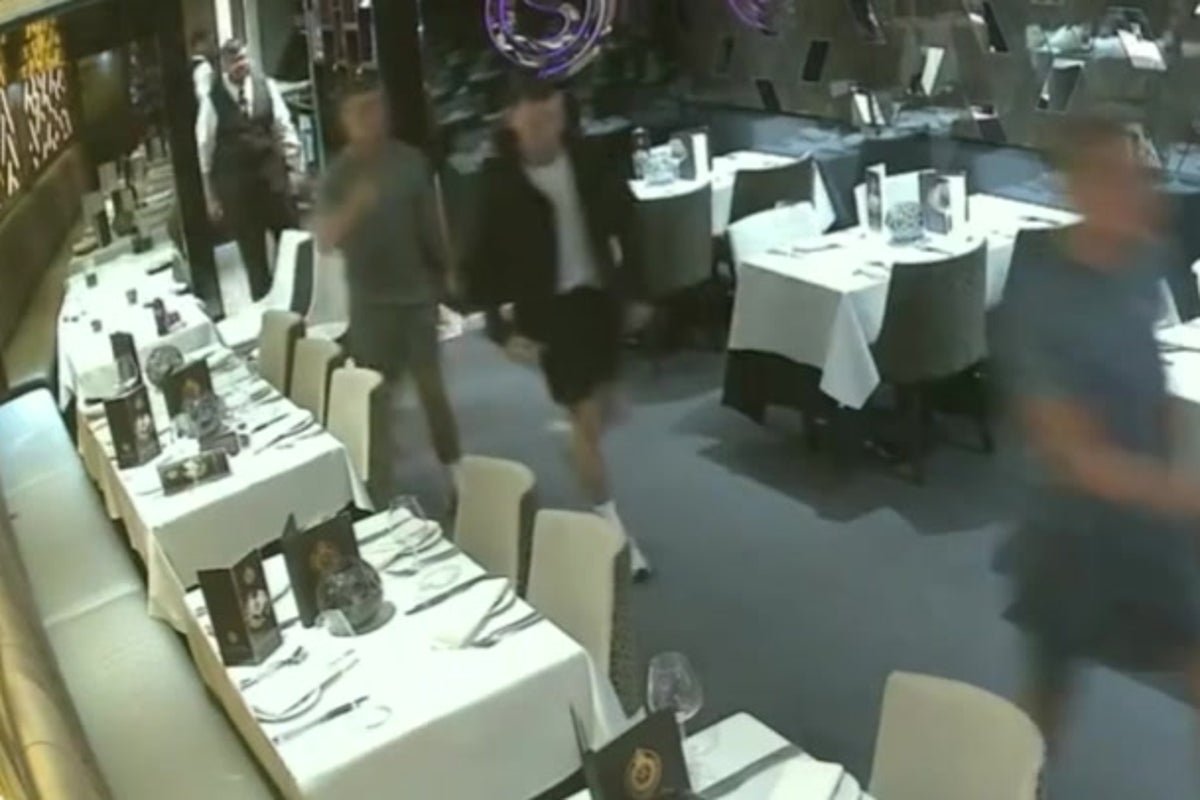
Restaurant owners are fighting back against dine and dashers, using a variety of methods to prevent this behaviour and to catch those who engage in it. This can include installing CCTV cameras, increasing staff vigilance, and working with other restaurants to share information about known dine and dashers. By taking these steps, restaurants can help to protect themselves and their customers from the scourge of dine and dashers.
The colour of deceit is often used to describe the behaviour of dine and dashers, who will stop at nothing to get out of paying their bill. However, by analysing the tactics used by these individuals, restaurants can take steps to prevent this behaviour and to catch those who engage in it. This can include being aware of the warning signs, such as a customer who is being overly aggressive or confrontational, and taking steps to address the issue before it becomes a problem.
In conclusion, the tactics used by dine and dashers are shocking and unacceptable. By understanding the behaviour of these individuals, restaurants can take steps to prevent this behaviour and to protect themselves and their customers. Whether it’s through increased vigilance, the use of technology, or simply being aware of the warning signs, there are many ways that restaurants can fight back against dine and dashers.