Sri Lanka Debt Repayments: A Call to Action
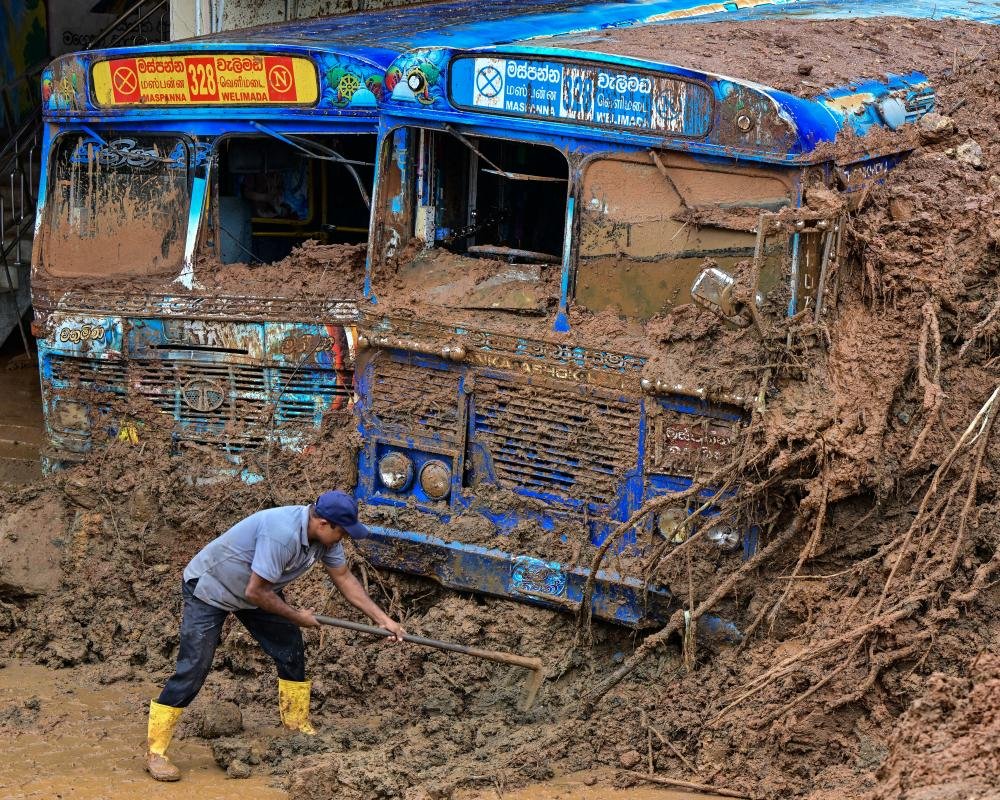
Top economists are urging a halt to Sri Lanka’s debt repayments following the devastating impact of Cyclone Ditwah. The cyclone has exacerbated the country’s economic woes, prompting calls for debt relief. Economists argue that debt repayment is unsustainable in the current climate.
The Sri Lankan economy has been struggling in recent years, with high levels of debt and a significant trade deficit. The cyclone has further complicated the situation, causing widespread destruction and disrupting economic activity. As a result, many are questioning the country’s ability to meet its debt obligations.
Economists are calling for a moratorium on debt repayments, citing the need for urgent economic reform. This would provide the country with much-needed breathing space to implement policies aimed at stimulating economic growth and reducing poverty. The move is seen as essential to preventing a complete economic collapse.
The international community is being urged to provide support to Sri Lanka, including debt relief and financial assistance. This could involve restructuring the country’s debt or providing emergency loans to help stabilize the economy. The situation is being closely monitored by financial markets, with many investors keenly watching developments.
The Sri Lankan government is facing a difficult decision, as it weighs up the need to meet its debt obligations against the need to support its struggling economy. The country’s economic future hangs in the balance, and the outcome of this decision will have far-reaching consequences. As the situation continues to unfold, one thing is clear: the need for urgent action is paramount.
The economic implications of Cyclone Ditwah are still being felt, with many businesses struggling to recover from the disaster. The tourism sector, a crucial part of the Sri Lankan economy, has been particularly hard hit. The government is under pressure to provide support to affected businesses and to implement policies that will help stimulate economic growth.
In conclusion, the situation in Sri Lanka is complex and multifaceted. The country’s economic woes have been exacerbated by the cyclone, and the need for debt relief is becoming increasingly urgent. As the international community watches with bated breath, one thing is clear: the need for action is pressing. The Sri Lankan government must take bold steps to address the economic crisis and prevent a complete collapse of the economy.