Chernobyl Exclusion Zone: A Surprising Haven for Wildlife
The Chernobyl exclusion zone, once a symbol of nuclear devastation, has undergone a remarkable transformation. A recent study has revealed that this area now boasts a more diverse range of wildlife than Ukraine’s nature reserves. This unexpected discovery has left scientists and conservationists alike scratching their heads, eager to analyse the reasons behind this phenomenon.
One of the primary factors contributing to the zone’s newfound status as a wildlife haven is the absence of human activity. With no hunting, farming, or urban development to disrupt the natural balance, the area has become an unintended sanctuary for a wide variety of species. The colour and vibrancy of the exclusion zone’s flora and fauna are a testament to the incredible resilience of nature.
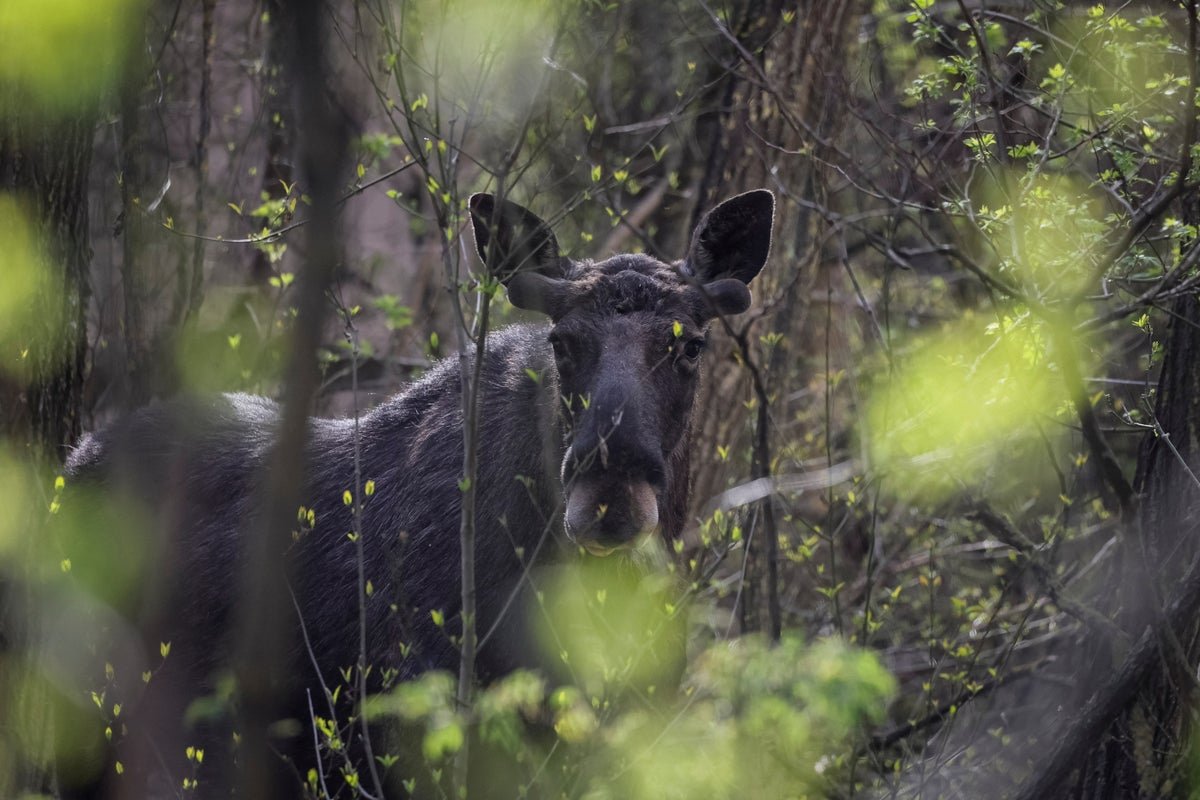
As researchers delve deeper into the zone’s behaviour and ecology, they are beginning to uncover the complex relationships between the different species that inhabit this unique environment. From the majestic wolves that roam the forests to the delicate wildflowers that bloom in the meadows, each component plays a vital role in the overall health and biodiversity of the ecosystem.
Furthermore, the Chernobyl exclusion zone has become an important site for scientific research, providing a rare opportunity for scientists to study the effects of radiation on the environment and the behaviour of wildlife in a controlled setting. By examining the ways in which different species adapt to and interact with their surroundings, researchers can gain valuable insights into the intricate mechanisms that govern the natural world.
In addition to its scientific significance, the Chernobyl exclusion zone has also become a source of fascination for the general public. As news of the area’s surprising wildlife spreads, more and more people are becoming interested in learning about this unusual ecosystem and the incredible creatures that call it home. Whether through documentaries, articles, or social media, the story of the Chernobyl exclusion zone is captivating audiences around the world.
However, it is essential to remember that the Chernobyl exclusion zone is still a highly contaminated area, and any attempts to visit or explore the site should be approached with caution. The risks associated with radiation exposure are very real, and it is crucial that visitors take necessary precautions to ensure their safety and the safety of the environment.
In conclusion, the Chernobyl exclusion zone has evolved into a thriving wildlife sanctuary, offering a unique glimpse into the natural world and the incredible ability of ecosystems to adapt and recover. As we continue to learn more about this fascinating environment, we are reminded of the importance of preserving and protecting our planet’s precious natural resources for future generations.