Iran’s Historic Concessions: A New Era of Cooperation?
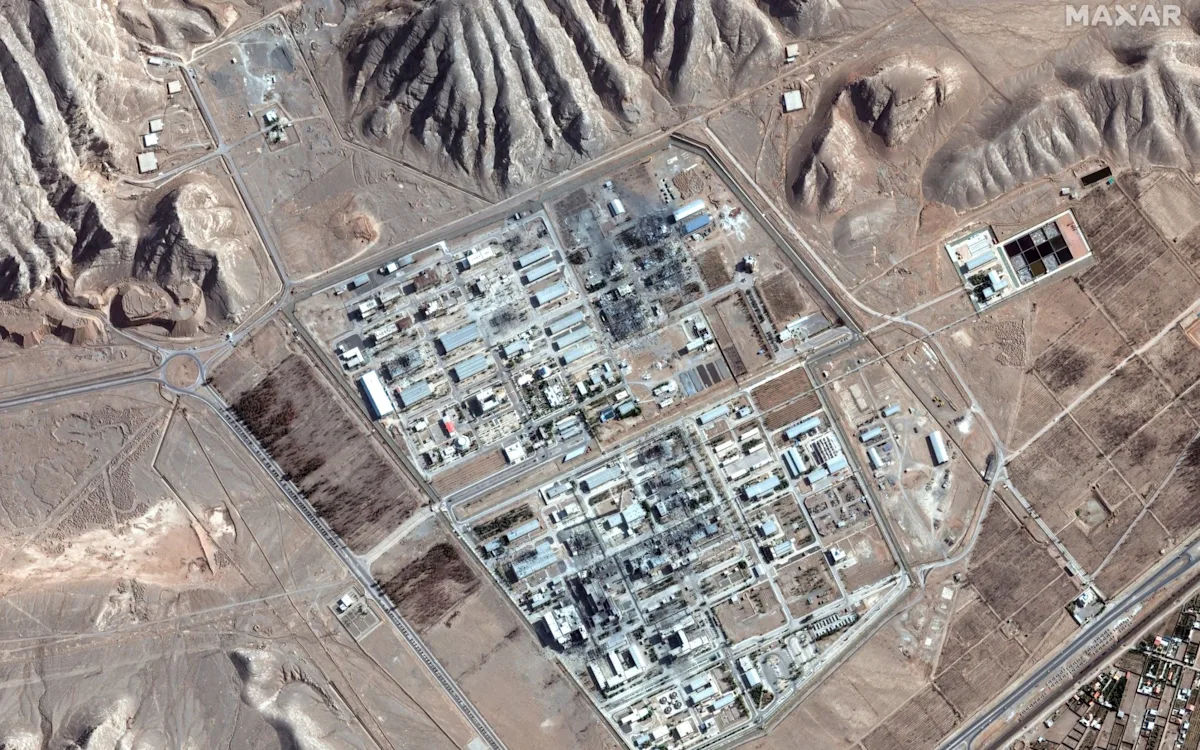
Iran has announced its intention to surrender a significant portion of its uranium stockpile as part of a groundbreaking deal with the United States. This move is set to have far-reaching implications for global politics and international relations. The agreement marks a significant shift in Iran’s behaviour towards the West.
The proposed deal also includes the opening of the Strait of Hormuz, a vital shipping lane that has been a major point of contention in recent years. This development is expected to have a profound impact on the global economy, particularly in the oil and gas sector. As the world watches with bated breath, analysts are eager to analyse the potential consequences of this historic agreement.
Experts believe that this deal could be a game-changer for the region, paving the way for increased cooperation and diplomacy. The surrender of uranium and the opening of the Strait of Hormuz are seen as major concessions by Iran, and are likely to be welcomed by the international community. However, some critics have expressed concerns about the potential risks and challenges associated with this agreement.
As the details of the deal continue to emerge, one thing is clear: this is a significant moment in modern history. The implications of this agreement will be felt for years to come, and will likely have a profound impact on the behaviour of nations around the world. The colour of international relations is set to change, and it will be fascinating to see how this plays out.