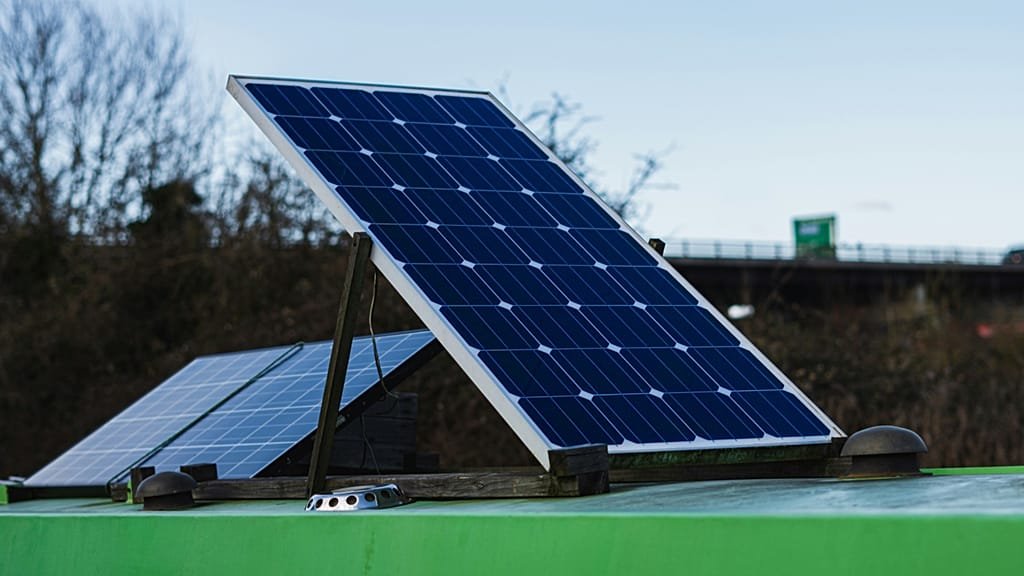
Unlocking the Potential of Plug-in Solar Panels
As the world shifts towards renewable energy, plug-in solar panels have emerged as a promising solution for powering our everyday appliances. From fridges to slow cookers, the idea of harnessing solar energy to fuel our daily lives is becoming increasingly appealing. With the rising cost of electricity and growing concerns about climate change, it’s no wonder that homeowners are turning to alternative energy sources.
But can plug-in solar panels actually power our everyday appliances? The answer is a resounding yes. With advancements in technology, plug-in solar panels have become more efficient and affordable, making them a viable option for homeowners. These panels can be easily installed and connected to our existing electrical systems, allowing us to tap into the power of the sun.
One of the primary benefits of plug-in solar panels is their ability to reduce our reliance on non-renewable energy sources. By harnessing solar energy, we can significantly decrease our carbon footprint and contribute to a more sustainable future. Moreover, plug-in solar panels can also help us save money on our energy bills, as we can generate our own electricity and reduce our dependence on the grid.
However, it’s essential to note that plug-in solar panels may not be suitable for all types of appliances. For instance, high-power devices like air conditioners and electric vehicles may require more energy than a single plug-in solar panel can provide. Nevertheless, for smaller appliances like fridges, slow cookers, and lights, plug-in solar panels can be an excellent solution.
In addition to their practical benefits, plug-in solar panels also offer a range of environmental advantages. By reducing our reliance on fossil fuels, we can help minimize air pollution and mitigate the impacts of climate change. Furthermore, plug-in solar panels can also help us conserve water, as they don’t require water to generate electricity like traditional power plants do.
As the demand for renewable energy continues to grow, it’s likely that we’ll see further innovations in plug-in solar panel technology. With advancements in energy storage and panel efficiency, we can expect to see even more powerful and affordable plug-in solar panels in the future. For now, homeowners can take advantage of the existing technology to start powering their everyday appliances and contributing to a more sustainable future.
In conclusion, plug-in solar panels offer a promising solution for powering our everyday appliances. With their ability to reduce our reliance on non-renewable energy sources, save us money, and contribute to a more sustainable future, it’s no wonder that homeowners are turning to this alternative energy source. As we continue to innovate and improve plug-in solar panel technology, we can expect to see even more exciting developments in the world of renewable energy.