Wildlife Thrives in the Chernobyl Exclusion Zone
The Chernobyl exclusion zone, once a desolate and barren landscape, is now home to a diverse range of wildlife. A recent study has found that the area has a higher concentration of wildlife than Ukraine’s nature reserves. This unexpected phenomenon has left scientists and conservationists alike intrigued and eager to analyse the behaviour of these animals in their unique habitat.
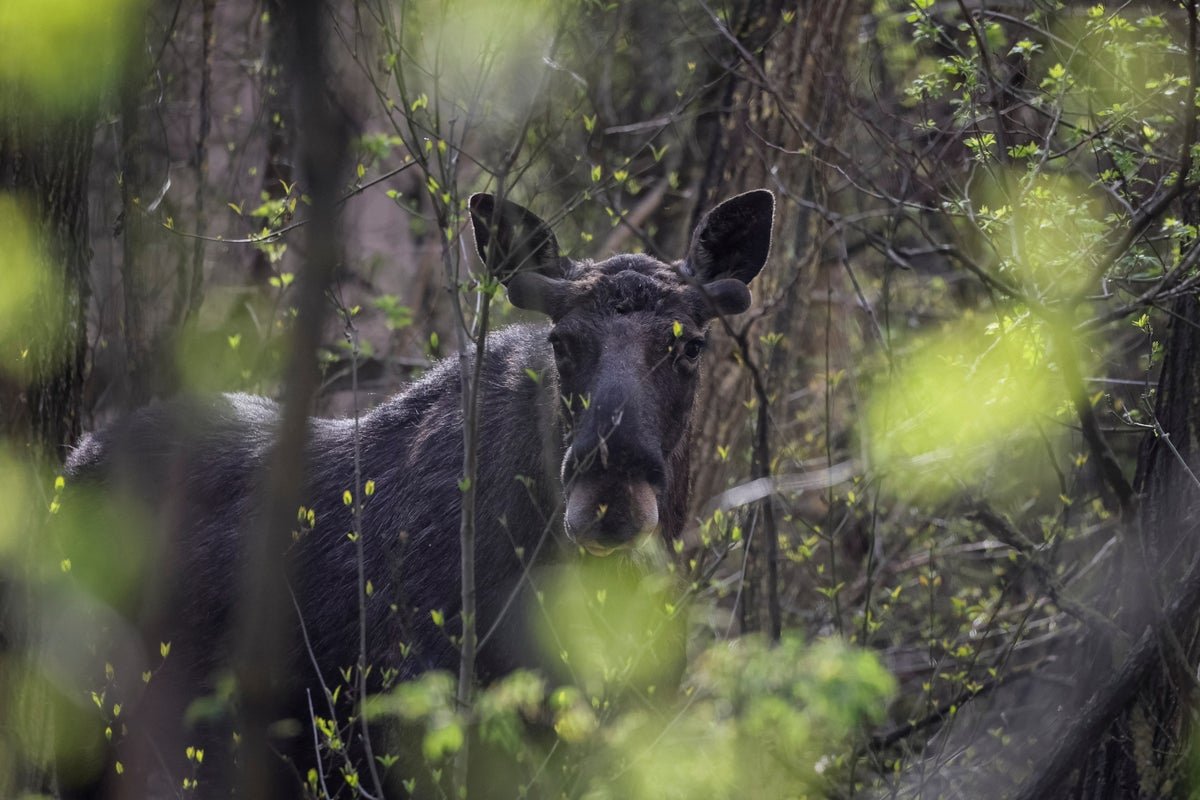
The exclusion zone, which was established after the devastating nuclear disaster in 1986, has become an unintentional wildlife reserve. The lack of human activity and disturbance has allowed animals to thrive and roam freely, unencumbered by the pressures of human behaviour. As a result, the area is now teeming with life, from wild boar and wolves to bears and lynx.
Researchers have been studying the wildlife in the exclusion zone, and their findings are nothing short of remarkable. The area is home to a wide variety of species, including many that are rare or endangered. The scientists believe that the exclusion zone’s unique combination of factors, including the absence of human activity and the presence of abundant food sources, has created an ideal environment for wildlife to flourish.
The study’s results have significant implications for conservation efforts and our understanding of the impact of human behaviour on the natural world. By analysing the behaviour of wildlife in the exclusion zone, scientists can gain valuable insights into the complex relationships between humans and the environment. This knowledge can be used to inform and improve conservation strategies, ultimately helping to protect and preserve the natural world for future generations.
The Chernobyl exclusion zone is a fascinating example of how nature can recover and thrive in the absence of human activity. The area’s transformation from a barren wasteland to a vibrant ecosystem is a testament to the incredible resilience of the natural world. As we continue to learn more about this unique environment and the wildlife that inhabits it, we are reminded of the importance of preserving and protecting our planet’s precious natural resources.
In conclusion, the Chernobyl exclusion zone is a remarkable example of the power of nature to heal and regenerate. The area’s unexpected transformation into a wildlife haven is a fascinating phenomenon that continues to capture the imagination of scientists and the general public alike. As we move forward, it is essential that we prioritise conservation efforts and work to protect the natural world for future generations.