Intel Pushes UK PC Partners to Adopt 18A Chips, Driving Costly Redesigns
Intel’s 18A Chip Strategy: A New Era for UK PC Manufacturers
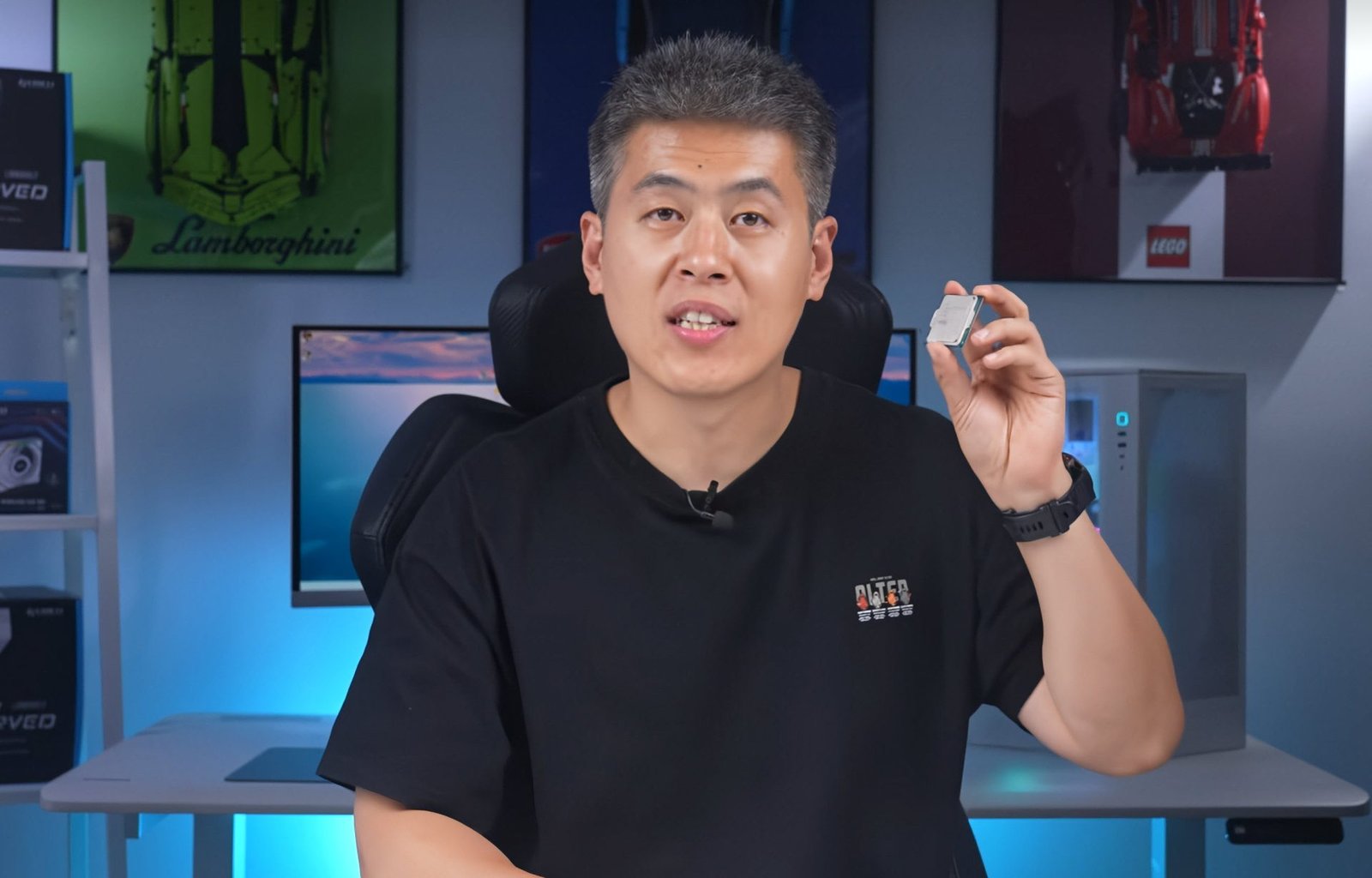
As Intel ramps up its 18A manufacturing process technology, the company is reportedly taking an aggressive approach to selling these chips to its PC partners in the UK. This strategy is forcing partners to redesign their products to accommodate the new chips, according to a report from The Nikkei Asian Review.
The 18A process has been gaining significant attention in recent days, particularly due to Apple’s interest in the technology. Intel’s aggressive sales tactics are now putting pressure on PC manufacturers to adopt the new chips, resulting in costly redesigns.
PC manufacturers have expressed concerns about the sudden shift to the 18A process, citing the high costs associated with redesigning their products. Despite these challenges, Intel remains committed to its strategy, seeking to attract external customers for the technology.
The UK PC market is likely to be significantly impacted by Intel’s 18A chip strategy, with manufacturers facing increased costs and potential delays in production. As the demand for older node supply dries up, PC partners will be forced to adapt to the new technology, driving innovation and change in the industry.
The 18A process is expected to bring significant improvements in performance and efficiency, making it an attractive option for UK consumers. However, the aggressive sales strategies employed by Intel may lead to a temporary shortage of older node chips, causing disruptions in the supply chain.
As the UK PC market continues to evolve, manufacturers will need to analyse their production strategies and adapt to the changing landscape. The adoption of the 18A process will likely drive growth and innovation in the industry, but it will also require significant investment and planning.
Intel’s 18A chip strategy is set to have a lasting impact on the UK PC market, with manufacturers and consumers alike feeling the effects of the change. As the industry continues to shift towards the new technology, it will be interesting to see how PC partners respond to the challenges and opportunities presented by the 18A process.