Iran’s Covert Drone Network: A Growing Concern
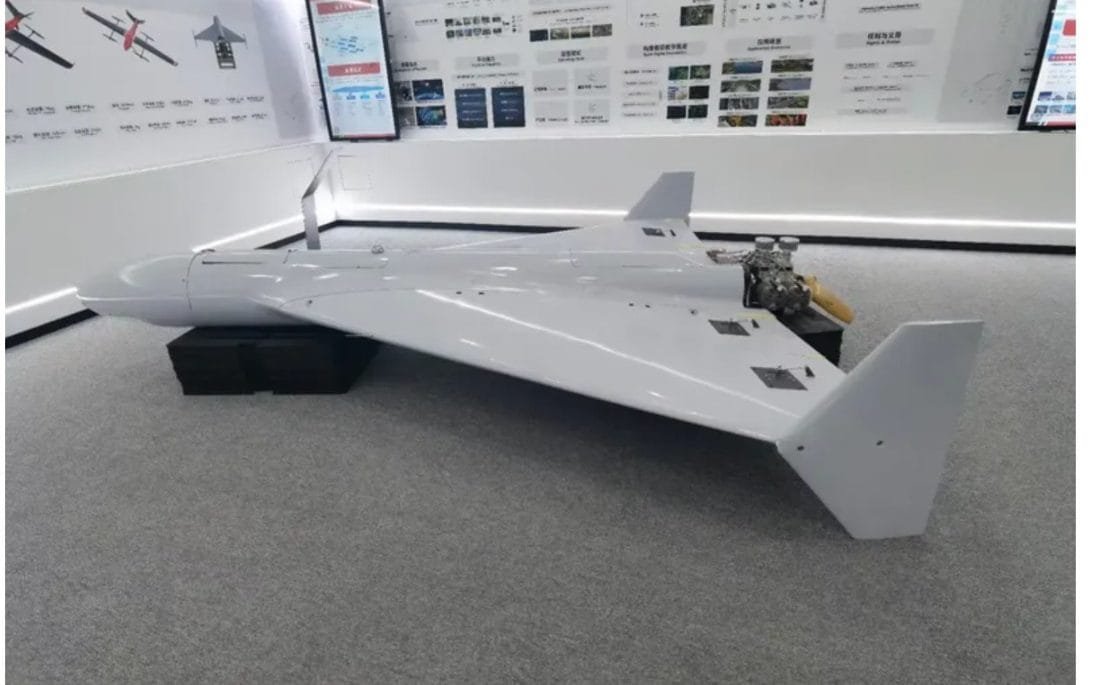
Iran has been secretly rebuilding its drone army, using a covert network to acquire and develop new unmanned aerial vehicles (UAVs). This move has significant implications for regional security and global stability. The Iranian military has been investing heavily in drone technology, with a focus on improving their surveillance and combat capabilities. The use of drones has become a key aspect of modern warfare, and Iran is determined to stay ahead of the curve.
The covert network used by Iran to rebuild its drone army is complex and multifaceted, involving a range of different actors and organizations. From state-sponsored companies to private contractors, the network is designed to evade detection and sanctions, allowing Iran to continue its drone programme unchecked. The network’s reach is global, with ties to countries in the Middle East, Asia, and Europe. This has enabled Iran to access advanced technologies and expertise, further enhancing its drone capabilities.
One of the primary concerns surrounding Iran’s drone army is its potential use in asymmetric warfare. Drones can be used to launch surprise attacks, gather intelligence, and disrupt enemy communications, making them a powerful tool for non-state actors and terrorist organizations. The Iranian military has already demonstrated its willingness to use drones in combat, with UAVs playing a key role in recent conflicts in the region. As the capabilities of Iran’s drone army continue to grow, so too does the risk of destabilization and conflict.
Despite the challenges posed by Iran’s covert drone network, there are steps that can be taken to mitigate its impact. International cooperation and diplomacy are essential in addressing the issue, with a focus on enforcing sanctions and preventing the proliferation of advanced technologies. The development of effective countermeasures, such as drone defence systems, is also critical in reducing the threat posed by Iran’s drone army. By working together, the international community can help to reduce the risk of conflict and promote regional stability.
The use of drones is not limited to military applications, with the technology also having the potential to drive economic growth and development. In Iran, drones are being used in a range of civilian fields, from agriculture to construction, with the government investing heavily in the sector. As the country continues to develop its drone industry, it is likely that we will see significant advancements in areas such as surveillance, transportation, and logistics.
However, the civilian use of drones also raises important questions about privacy and security. As the number of drones in the sky continues to grow, so too does the risk of accidents and incidents. The need for effective regulation and oversight is clear, with governments and industry leaders working together to establish clear guidelines and standards for the use of drones. By balancing the benefits of drone technology with the need for safety and security, we can ensure that this technology is developed and used in a responsible and sustainable way.
In conclusion, Iran’s covert drone network is a complex and multifaceted issue, with significant implications for regional security and global stability. The use of drones is not limited to military applications, with the technology also having the potential to drive economic growth and development. As the international community works to address the challenges posed by Iran’s drone army, it is essential that we also consider the broader implications of this technology and its potential impact on our world.