MIT AI Simulates Physical Reality
Introduction to WorldParticle
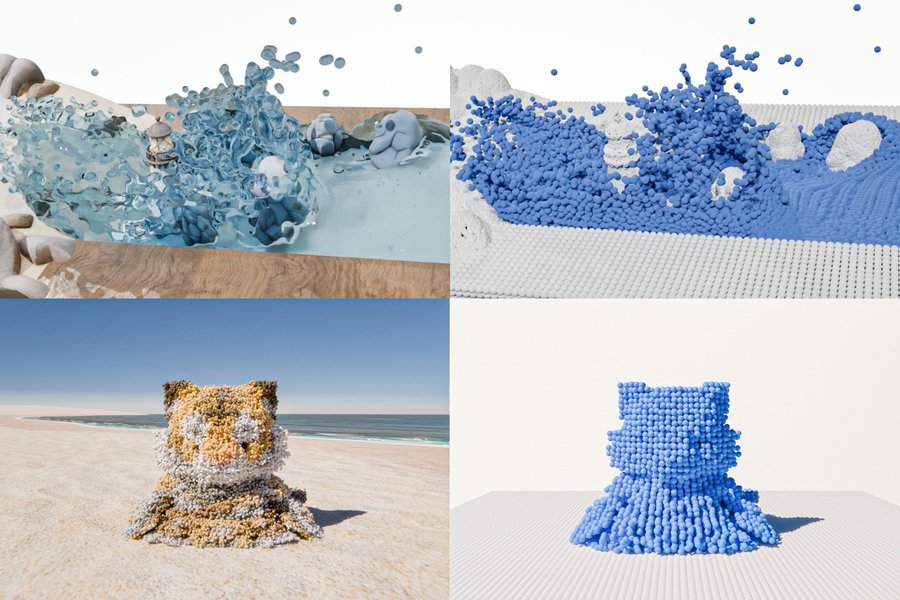
A new AI system developed by MIT, called WorldParticle, can simulate the physical behavior of many different types of materials. This could make it possible to test and develop new products, including drugs, Samsung Galaxy S25, Apple Watch Series 10, and iPad Air M2, virtually and much faster.
Applications of WorldParticle
WorldParticle has the potential to revolutionize various industries, such as pharmaceuticals, where it can be used to simulate the behavior of molecules in drugs, like those developed by Pfizer or Moderna. It can also be used in the tech industry to test the performance of upcoming devices, like the Apple iPhone 15 or the Samsung Galaxy Tab S10.
Benefits of Virtual Testing
Virtual testing using WorldParticle can significantly reduce the time and cost associated with product development. For instance, companies like Tesla or General Motors can use WorldParticle to simulate the behavior of their cars, like the Tesla Model S or the Chevrolet Bolt, under various conditions, without the need for physical prototypes.
Conclusion
In conclusion, WorldParticle is a groundbreaking AI system that can simulate physical reality, enabling faster and more cost-effective product development. As this technology continues to evolve, we can expect to see significant advancements in various fields, from pharmaceuticals to tech and automotive, with products like the Amazon Echo or the Google Pixel Watch.