US Interference in UK Democracy: A Growing Concern
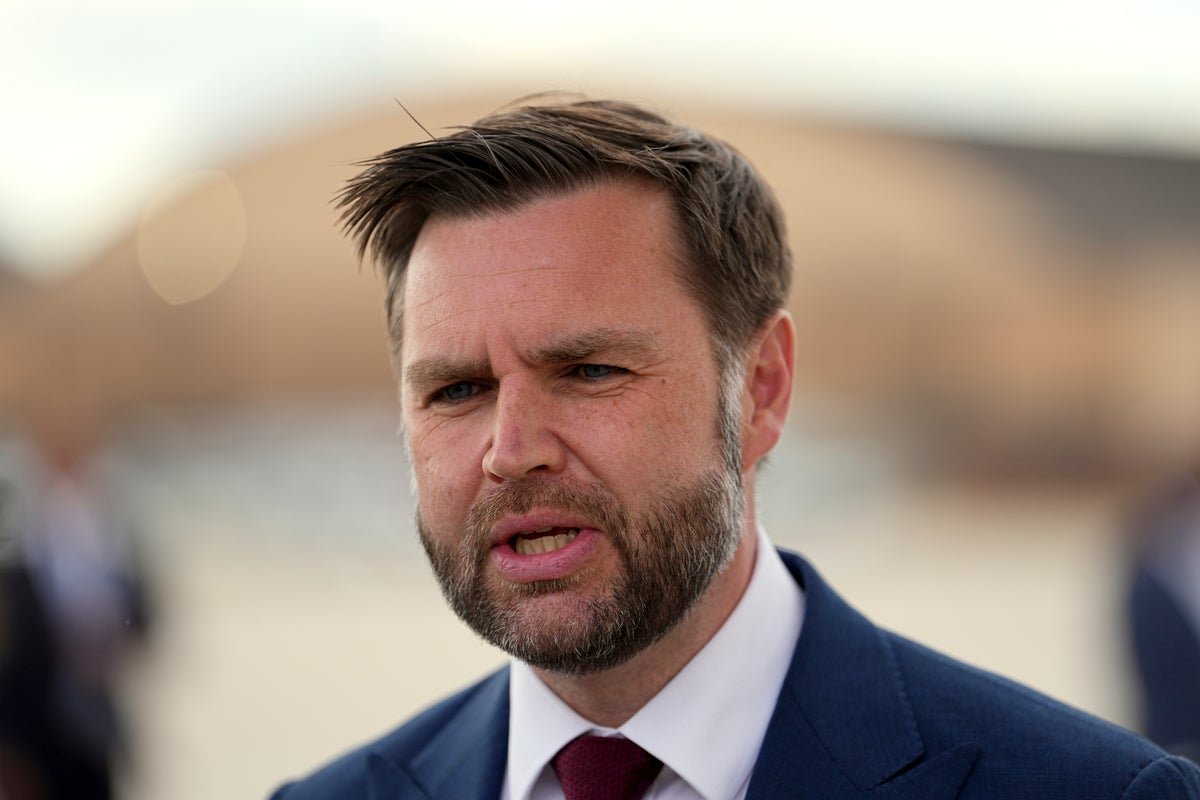
The recent comments made by JD Vance, an American author and politician, have sparked a heated debate about migration and its impact on democracy. Vance’s remarks, which blamed the murder of Henry Nowak on migration, have been met with criticism from UK politicians, including Sir Keir Starmer.
Starmer has suggested that the US is trying to interfere in the UK’s democratic process, citing Vance’s comments as an example of this alleged interference. This has led to a wider discussion about the role of foreign influences in shaping UK politics and policy.
The issue of migration has long been a contentious one in the UK, with many politicians and citizens holding strong views on the matter. However, the involvement of foreign actors and their potential to influence public opinion and policy decisions has added a new layer of complexity to the debate.
As the UK continues to navigate its post-Brexit relationship with the US and other countries, the question of foreign interference in domestic politics is likely to remain a pressing concern. With the rise of social media and other digital platforms, it has become easier for foreign actors to disseminate information and shape public opinion, making it increasingly important for the UK to protect its democratic processes.
The UK government has taken steps to address the issue of foreign interference, including the introduction of new laws and regulations aimed at preventing the spread of disinformation and protecting the integrity of the electoral process. However, more needs to be done to ensure that the UK’s democracy is resilient to external influences and that the views of its citizens are not being manipulated by foreign actors.
Ultimately, the issue of US interference in UK democracy is a complex and multifaceted one, requiring a nuanced and informed approach. As the debate continues to unfold, it is essential that policymakers, politicians, and citizens alike remain vigilant and committed to protecting the integrity of the UK’s democratic institutions.
The situation highlights the need for transparency and accountability in politics, as well as the importance of critical thinking and media literacy in today’s digital age. By promoting a better understanding of the issues at stake and encouraging open and informed discussion, we can work towards a more resilient and responsive democracy that truly represents the will of the people.
It is crucial to analyse the behaviour of foreign actors and their potential impact on UK democracy, ensuring that the country’s democratic processes are not being undermined by external influences. This requires a concerted effort from all stakeholders, including policymakers, politicians, and citizens, to protect the integrity of the UK’s democratic institutions and promote a culture of transparency and accountability.
The colour of politics is often grey, with complex issues and nuanced perspectives. However, when it comes to the integrity of democracy, there can be no room for compromise. The UK must remain vigilant and committed to protecting its democratic processes, ensuring that the views of its citizens are not being manipulated by foreign actors and that the country’s institutions remain resilient to external influences.