Taliban’s Strategic Maneouvres: Revitalising Military Hardware with Russian Expertise
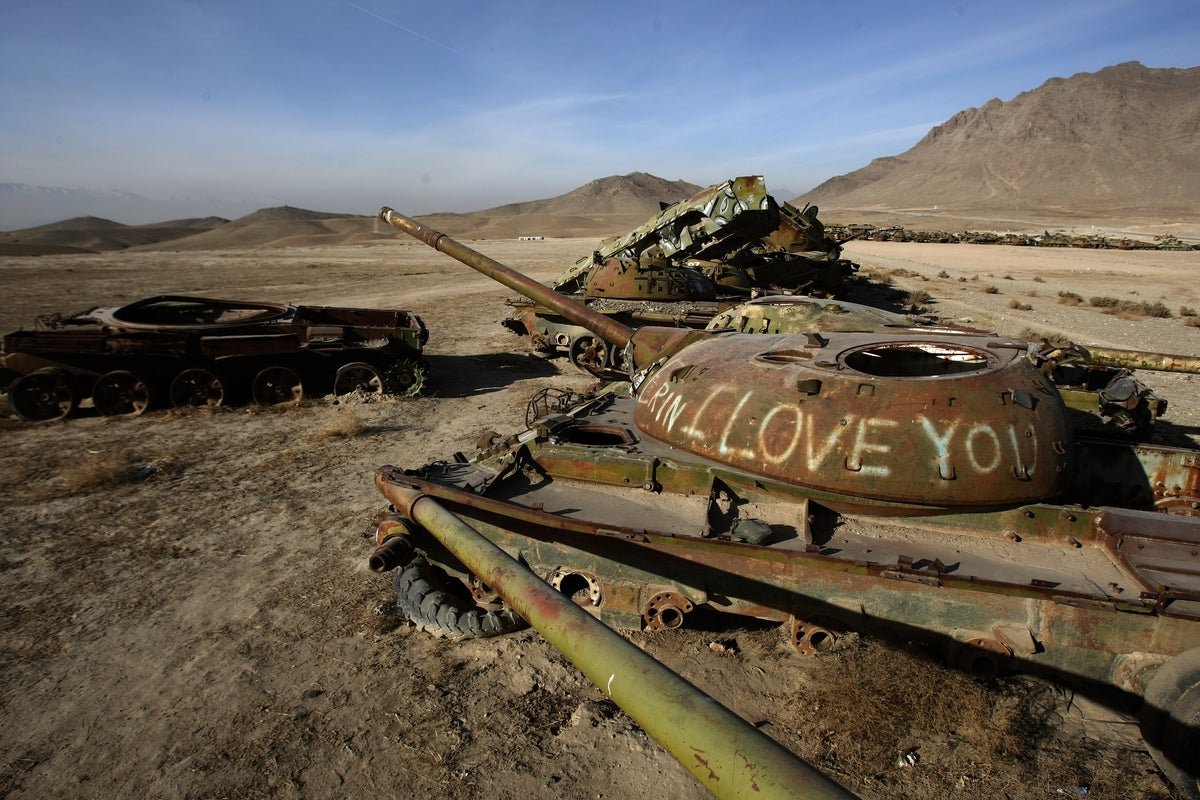
The Taliban’s recent endeavour to enlist Russian help in repairing military hardware left behind by fleeing Soviets has sparked significant interest globally. This move underscores the Taliban’s efforts to bolster their military capabilities. The collaboration is seen as a strategic manoeuvre to counterbalance regional influences. The equipment in question comprises a range of military vehicles and weaponry.
The historical context of Soviet involvement in the region provides a backdrop for understanding the current situation. The Soviet Union’s withdrawal from Afghanistan left a vast array of military equipment, which has been in disuse for decades. The Taliban, now in control, seeks to revitalise these assets to enhance their military posture. This development has implications for regional stability and global security.
Analysts speculate that the Taliban’s decision to seek Russian assistance may be driven by a desire to demonstrate their ability to engage with international actors. Russia, with its experience in military technology, is well-positioned to provide the necessary expertise. The partnership may also symbolise a shift in geopolitical alliances, with potential repercussions for the balance of power in the region.
The international community is closely watching the situation, given the potential consequences for peace and stability in Afghanistan and beyond. The ability of the Taliban to successfully repair and utilise the military hardware will depend on various factors, including the condition of the equipment and the effectiveness of Russian technical support.
As the situation unfolds, it is crucial to analyse the motivations behind the Taliban’s actions and the implications of their collaboration with Russia. The endeavour to repair Soviet-era military equipment is a complex issue, intertwined with political, strategic, and security considerations. Understanding these dynamics is essential for assessing the potential outcomes of this unprecedented partnership.
The role of Russia in this context is multifaceted, involving not only technical assistance but also geopolitical manoeuvring. Russia’s involvement may be seen as an attempt to expand its influence in the region, leveraging its expertise in military affairs to forge alliances and secure strategic interests. The impact of this collaboration on regional and global security cannot be overstated.
In conclusion, the Taliban’s move to repair military hardware with Russian help marks a significant development in the region’s security landscape. The collaboration is fraught with complexities, reflecting broader geopolitical tensions and the pursuit of strategic interests. As events continue to unfold, a nuanced understanding of the situation will be crucial for policymakers and analysts seeking to navigate the intricacies of this emerging scenario.
Furthermore, the collaboration between the Taliban and Russia highlights the evolving nature of international relations in the region. The ability of these actors to cooperate on military matters suggests a degree of pragmatism, driven by mutual interests rather than ideological alignment. This pragmatism may pave the way for further cooperation, potentially influencing the trajectory of regional security and geopolitical dynamics.
The repair of Soviet-era military equipment is not merely a technical challenge but also a political and strategic one. The Taliban must navigate the complexities of international opinion, balancing their need for military capability with the potential repercussions of their actions. Meanwhile, Russia must weigh the benefits of its involvement against the risks of being seen as supporting a controversial regime.
Ultimately, the success of this endeavour will depend on the interplay of technical, political, and strategic factors. The Taliban’s capacity to effectively utilise the repaired equipment, combined with Russia’s willingness to provide sustained support, will be critical in determining the outcomes of this partnership. As the world watches, the implications of this collaboration for regional security, international relations, and the future of Afghanistan will continue to unfold.