Trump’s Last-Minute Decision: Cancelling Iran Strikes
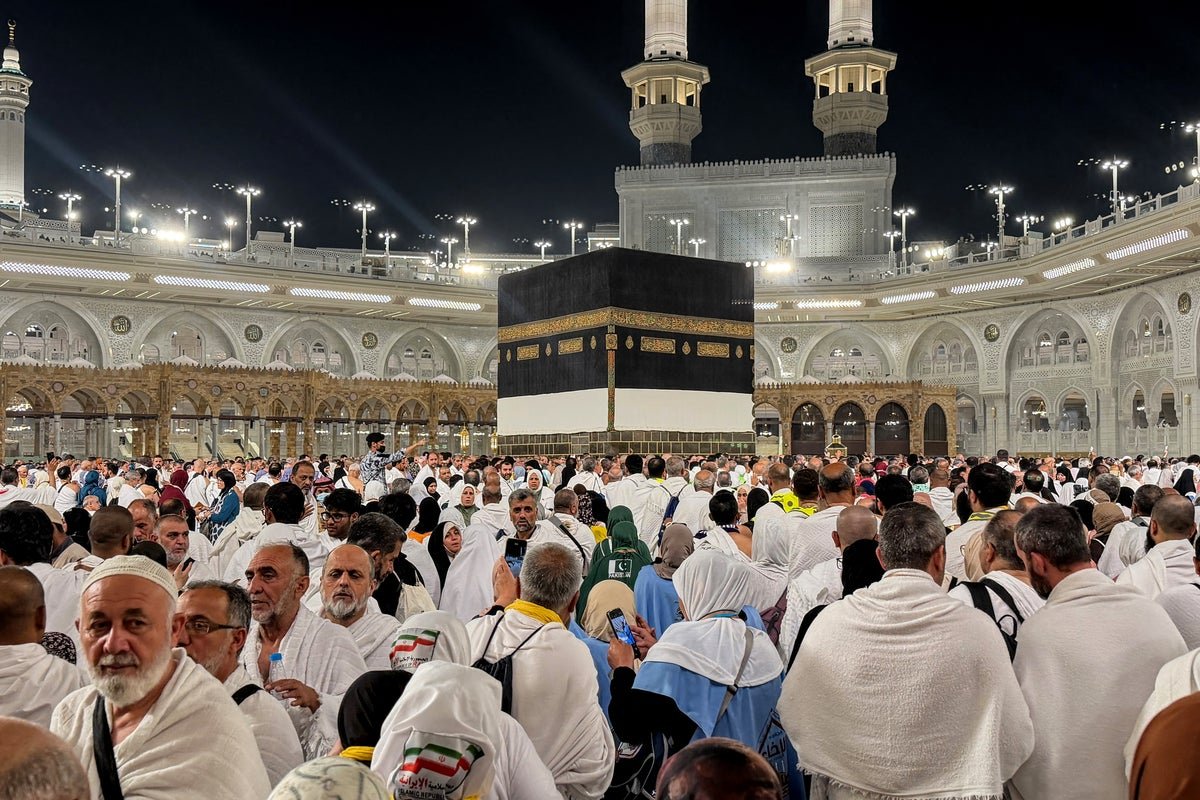
The US President, Donald Trump, reportedly cancelled a planned military strike against Iran after Saudi Arabia issued a warning regarding the potential disruption to the Hajj pilgrimage. This dramatic turn of events highlights the complex and delicate nature of international relations in the region. The strike was said to be in response to Iran’s alleged involvement in a recent attack on Saudi oil facilities.
The decision to cancel the strike is a significant development, as it demonstrates Trump’s willingness to reconsider his actions in the face of potential consequences. The Hajj pilgrimage is a sacred event in the Islamic calendar, and any disruption to it could have far-reaching and unpredictable effects. By cancelling the strike, Trump may have averted a major crisis, but the situation remains volatile and unpredictable.
The background to this story is complex, with tensions between the US and Iran escalating in recent months. The US has imposed strict sanctions on Iran, which have had a devastating impact on the country’s economy. Iran, in turn, has responded with a series of provocative actions, including the seizure of foreign tankers and the downing of a US drone. The situation is further complicated by the involvement of other regional players, including Saudi Arabia and Israel.
Despite the cancellation of the strike, the situation in the region remains highly unstable. The US and Iran are still locked in a bitter standoff, and the potential for miscalculation or accidental escalation remains high. The international community is watching the situation with bated breath, as the consequences of a full-scale conflict could be catastrophic. As the situation continues to unfold, one thing is certain: the Middle East is a region that will remain at the forefront of international attention for the foreseeable future.
The role of Saudi Arabia in this drama is also worthy of note. As the host nation for the Hajj pilgrimage, Saudi Arabia has a unique responsibility to ensure the safety and security of pilgrims from around the world. By issuing a warning about the potential disruption to the Hajj, Saudi Arabia may have played a crucial role in preventing a major conflict. However, the kingdom’s own relationship with Iran is complex and often fraught, and it remains to be seen how this latest development will affect their bilateral ties.
As the world waits with bated breath to see how the situation will unfold, one thing is clear: the Middle East is a region that is fraught with complexity and uncertainty. The cancellation of the Iran strikes is a significant development, but it is only one chapter in a much larger story. As the international community continues to analyse and respond to the situation, it is essential to remember the human cost of conflict and the importance of finding peaceful solutions to the region’s problems.
The US and Iran have been engaged in a war of words for many months, with both sides exchanging heated rhetoric and provocative actions. The situation has been further complicated by the involvement of other regional players, including Israel and the Gulf states. As the situation continues to escalate, it is essential to consider the potential consequences of a full-scale conflict and to work towards finding a peaceful resolution to the crisis.
In conclusion, the cancellation of the Iran strikes is a significant development that highlights the complex and delicate nature of international relations in the Middle East. The situation remains highly unstable, and the potential for miscalculation or accidental escalation remains high. As the international community continues to watch the situation with bated breath, it is essential to remember the importance of finding peaceful solutions to the region’s problems and to work towards reducing tensions and promoting stability in the region.