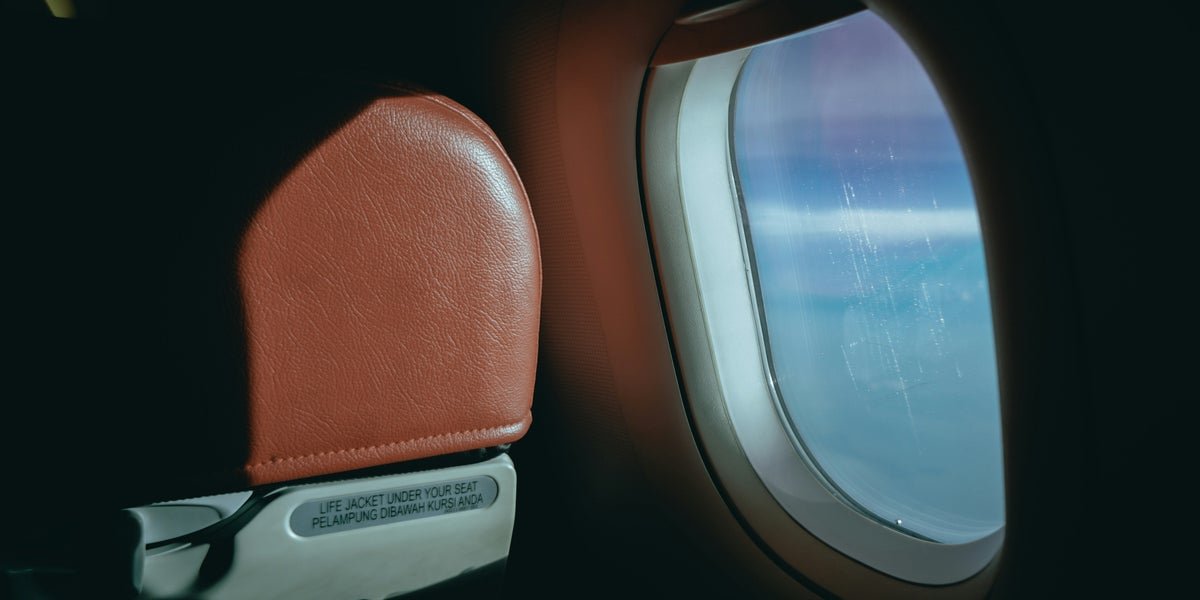
Why Window Blinds Remain Open During Takeoff
As an aircraft soars into the sky, passengers often notice that the window blinds are left open, sparking curiosity about the reasoning behind this practice. Pilots and flight attendants adhere to a set of strict guidelines to ensure a safe and successful flight. One of these guidelines involves keeping the window blinds open during takeoff and landing. This behaviour may seem unusual, but it serves a crucial purpose in the event of an emergency.
The primary reason for keeping window blinds open is to allow natural light to enter the cabin, making it easier for passengers to see and evacuate the aircraft quickly in case of an emergency. Additionally, open blinds enable passengers to become familiar with their surroundings, including the location of emergency exits. By doing so, the crew can analyse the situation more efficiently and respond accordingly.
Another significant advantage of open window blinds is that they provide an unobstructed view of the surrounding environment. In low-visibility conditions, such as fog or heavy rain, open blinds can help the flight crew to assess the situation and make informed decisions. Moreover, the colour and intensity of the natural light can serve as an indicator of the time of day and weather conditions, which is vital information for pilots during takeoff and landing.
In conclusion, keeping window blinds open during takeoff and landing is a deliberate decision made by pilots and flight attendants to prioritise safety and efficiency. By understanding the reasoning behind this practice, passengers can appreciate the meticulous attention to detail that goes into ensuring their safety and well-being during air travel.