Pakistan’s Diplomatic Dilemma: Unpacking the US-Iran Conundrum
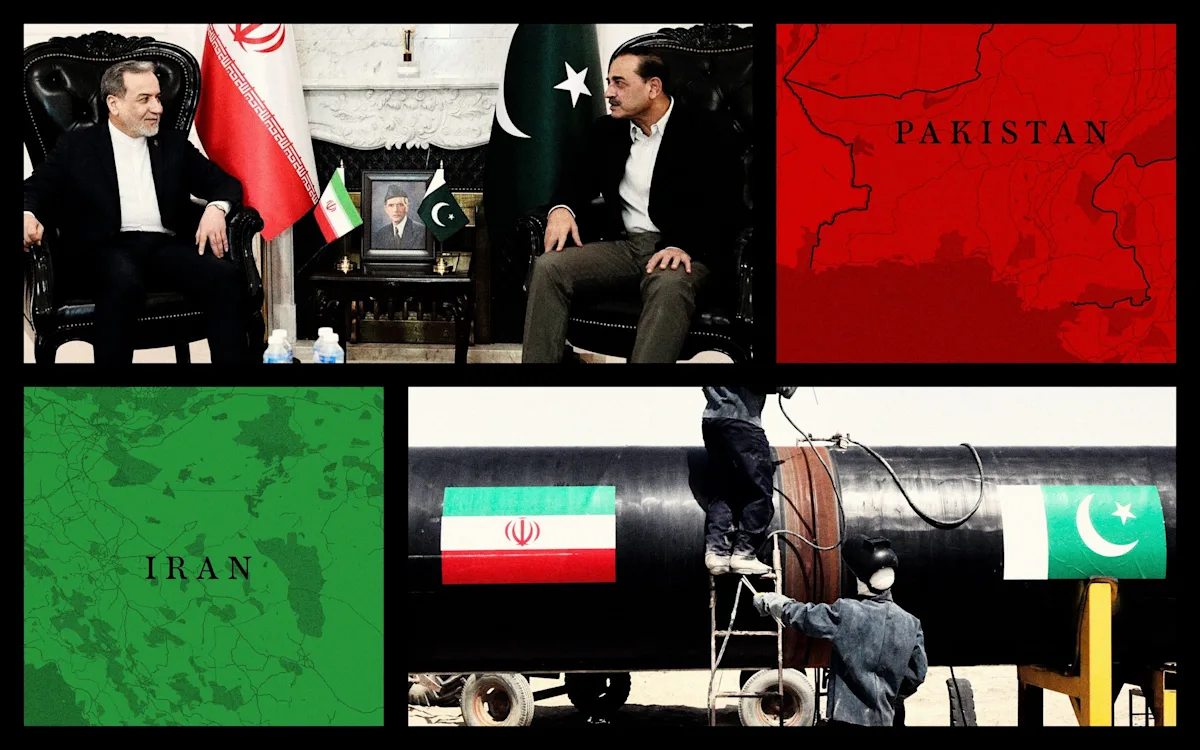
Pakistan’s recent overtures towards the US and Iran have sparked intense speculation about its true motives. As the country navigates this treacherous diplomatic landscape, it is essential to analyse the underlying drivers of its behaviour. The complex interplay of regional politics, economic interests, and security concerns is likely to influence Pakistan’s decision-making process.
The US-Iran rivalry has significant implications for Pakistan, given its strategic location and historical ties with both nations. As the situation continues to unfold, Pakistan must carefully balance its relationships with these two global powers to avoid being drawn into their conflict. This delicate balancing act will require careful diplomacy and a deep understanding of the geopolitical dynamics at play.
Pakistan’s diplomatic efforts are likely to be shaped by its own national interests, including the need to maintain good relations with both the US and Iran. The country’s economic stability and security are inextricably linked to its ability to navigate this complex web of alliances and rivalries. As the stakes grow higher, Pakistan must remain vigilant and adaptable in its pursuit of a peaceful and prosperous future.
The role of other regional players, such as China and Saudi Arabia, should not be underestimated in this context. Their influence can either exacerbate or mitigate the tensions between the US and Iran, and Pakistan must be aware of these external factors as it charts its course. By carefully weighing its options and engaging in constructive dialogue, Pakistan can help to reduce tensions and promote a more stable and secure environment.
Ultimately, the success of Pakistan’s diplomatic endeavours will depend on its ability to build trust and credibility with all parties involved. This will require a sustained effort to communicate its intentions clearly and to demonstrate its commitment to peaceful coexistence. As the world watches with bated breath, Pakistan has a unique opportunity to showcase its diplomatic prowess and to contribute to a more harmonious and cooperative global order.
The US-Iran diplomatic crisis has far-reaching implications for global security and stability. Pakistan’s response to this situation will be closely scrutinised, and its actions will have a significant impact on the region’s future. As the country navigates this challenging landscape, it is essential to remain informed and engaged, and to support efforts to promote peace and understanding.
Pakistan’s diplomatic strategy must be guided by a clear understanding of its own strengths and weaknesses, as well as the interests and motivations of other key players. By adopting a nuanced and flexible approach, the country can maximise its chances of success and minimise the risks associated with this high-stakes diplomacy. The road ahead will be long and arduous, but with careful planning and a deep commitment to peace, Pakistan can overcome the obstacles and achieve its goals.
In conclusion, Pakistan’s US-Iran diplomacy is a complex and multifaceted issue, driven by a range of factors and influences. As the situation continues to evolve, it is essential to remain vigilant and adaptable, and to be prepared for any eventuality. By working together and engaging in constructive dialogue, Pakistan and the international community can promote a more stable and secure environment, and create a brighter future for all.