Apple Partners with Intel UK for Next-Gen Chips by 2027
Apple’s Chipmaking Deal with Intel: What You Need to Know
Apple has reportedly signed a preliminary agreement with Intel to produce its next-generation chips. The deal, which was allegedly signed in December 2025, will see Apple utilise Intel’s Foundry business to manufacture its chips. This move is largely due to TSMC’s constraints, which have forced Apple to explore alternative chip-making options.
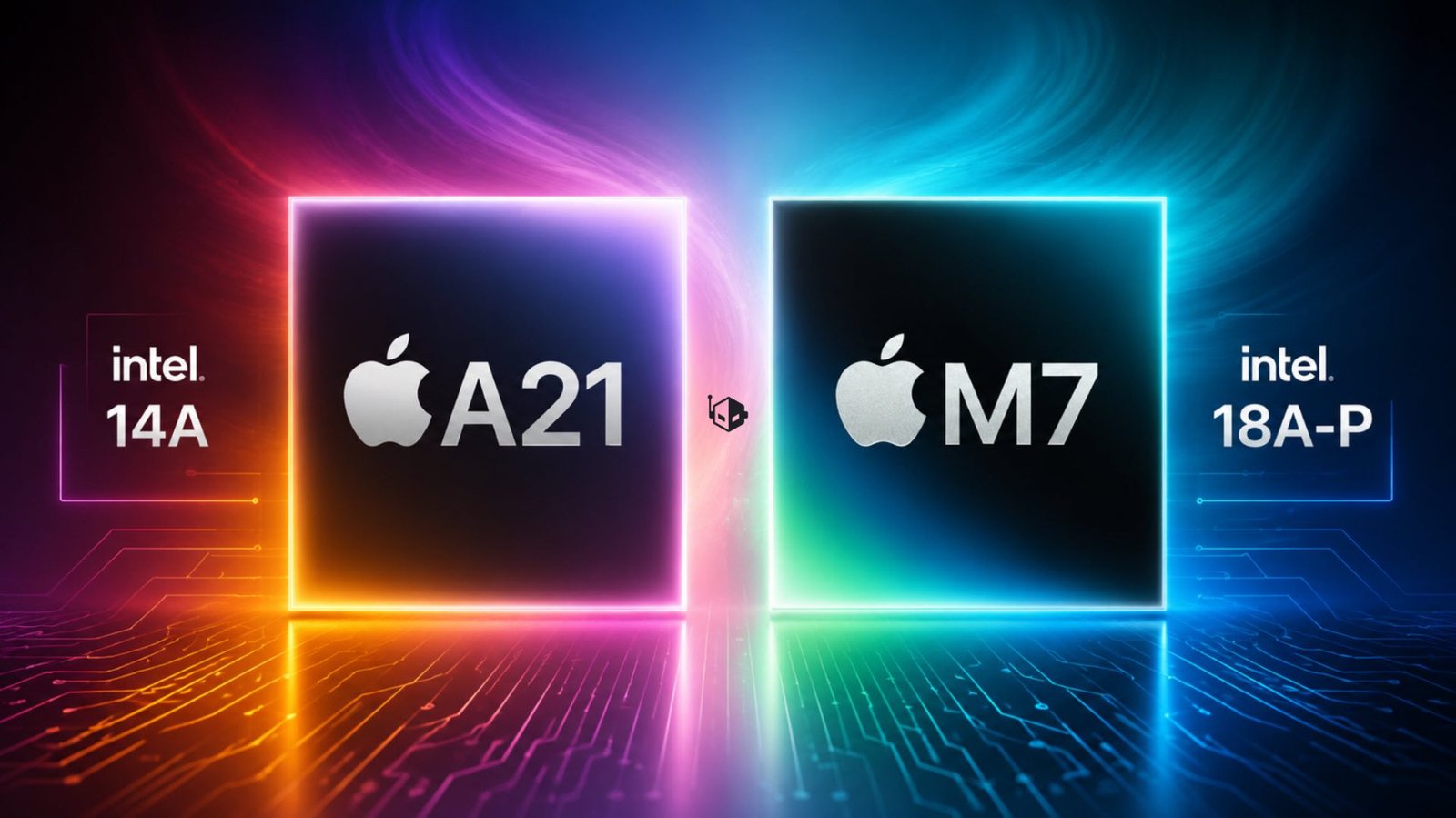
The rumour suggests that Apple will produce two chips using Intel’s 18A-P and 14A process technologies. The 18A-P process technology is expected to be used for the M7 chip, which will power Apple’s future MacBook devices. On the other hand, the 14A process technology will be used for the iPhone chip, which is slated for release in 2028.
The partnership between Apple and Intel is a significant development in the tech industry. It marks a major shift in Apple’s chip-making strategy, which has traditionally relied on TSMC. The deal is expected to have far-reaching implications for the industry, with many experts predicting a significant impact on the global chip market.
As the demand for advanced chips continues to grow, companies like Apple are under pressure to deliver high-performance devices. The partnership with Intel is seen as a strategic move by Apple to stay ahead of the competition. With Intel’s advanced process technologies, Apple aims to produce chips that are not only faster but also more energy-efficient.
The use of Intel’s 18A-P and 14A process technologies is expected to bring significant benefits to Apple’s devices. The 18A-P process technology, in particular, is known for its high performance and low power consumption. This makes it an ideal choice for Apple’s MacBook devices, which require high processing power to run demanding applications.
In addition to the technical benefits, the partnership between Apple and Intel is also expected to have economic implications. The deal is likely to create new job opportunities in the UK, where Intel has a significant presence. It may also lead to increased investment in the UK’s tech industry, which is already a major contributor to the country’s economy.
As the UK continues to play a significant role in the global tech industry, the partnership between Apple and Intel is a testament to the country’s attractiveness as a hub for innovation. With its highly skilled workforce and favourable business environment, the UK is an ideal location for companies like Apple and Intel to collaborate and drive technological advancements.
The future of the tech industry looks promising, with many exciting developments on the horizon. The partnership between Apple and Intel is just one example of the innovative collaborations that are shaping the industry. As companies continue to push the boundaries of what is possible, we can expect to see even more exciting advancements in the years to come.
In conclusion, the partnership between Apple and Intel is a significant development that is expected to have far-reaching implications for the tech industry. With the use of Intel’s advanced process technologies, Apple aims to produce high-performance chips that will power its next-generation devices. As the UK continues to play a major role in the industry, the deal is a testament to the country’s attractiveness as a hub for innovation and technological advancements.