
Bramley Apple Tree Sold: A Blow to Heritage Campaigns
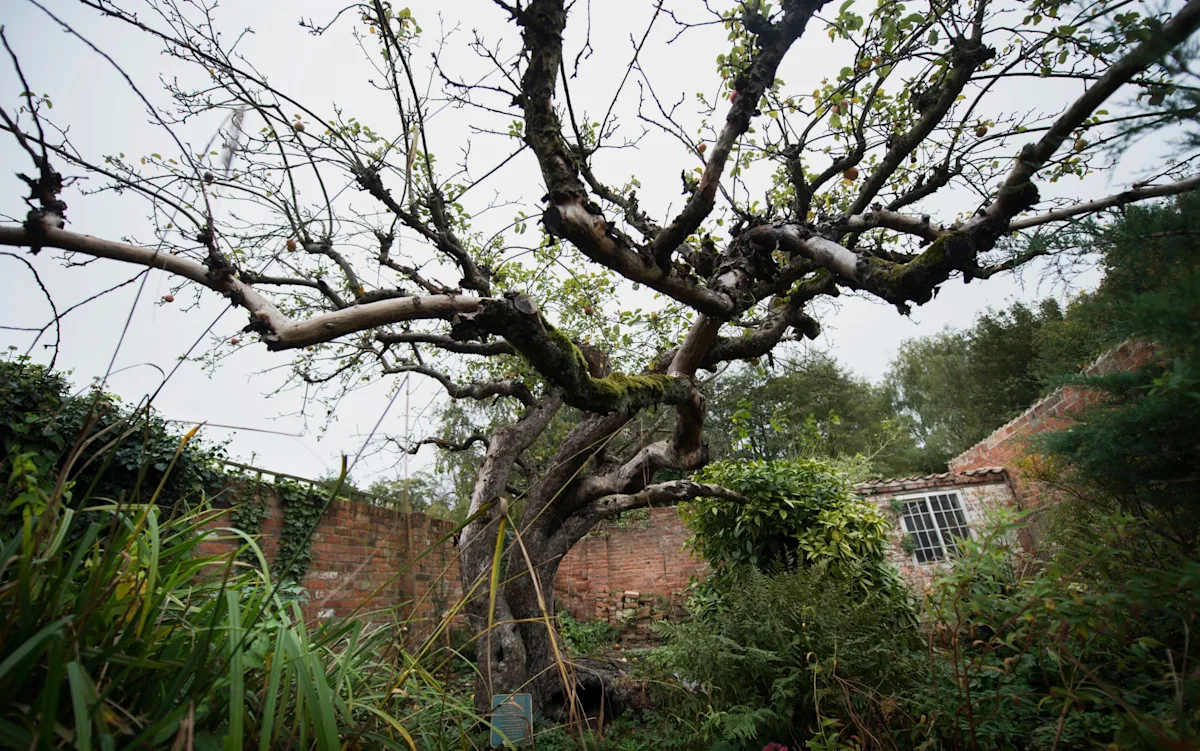
The Bramley Apple Tree: A Symbol of Heritage Lost
The sale of the mother of all Bramley apple trees has sent shockwaves through the heritage community, sparking concerns about the erosion of Britain’s cultural landscape. This iconic tree, a cornerstone of the nation’s fruit production, has been a beloved part of the country’s history. Its loss is a significant blow to conservation efforts. The Bramley apple tree has been a staple of British orchards for centuries.
The Bramley apple, renowned for its sharp flavour and cooking properties, has been a favourite among Britons for generations. The tree’s sale to a private buyer has raised questions about the future of the nation’s heritage sites and the importance of preserving historical landmarks. As the UK’s cultural heritage continues to evolve, it is essential to analyse the impact of such sales on local communities. The loss of this tree may have far-reaching consequences for the environment and the economy.
Conservationists argue that the sale of the Bramley apple tree is a symptom of a broader problem – the undervaluing of Britain’s cultural heritage. The tree’s significance extends beyond its historical importance, as it also plays a vital role in maintaining the nation’s biodiversity. As the UK strives to meet its environmental targets, the preservation of heritage sites like the Bramley apple tree is crucial. By protecting these sites, the UK can help to mitigate the effects of climate change and preserve its natural beauty.
The heritage campaign, which had been fighting to save the tree, has expressed disappointment and frustration at the sale. The campaign’s leaders argue that the tree’s cultural significance and historical importance make it an essential part of Britain’s national identity. The sale of the tree has been seen as a blow to the campaign’s efforts to preserve the nation’s cultural heritage. The campaign will continue to fight for the preservation of other heritage sites, but the loss of the Bramley apple tree is a significant setback.
As the UK’s heritage community comes to terms with the loss of the Bramley apple tree, it is clear that more needs to be done to protect the nation’s cultural landscape. The government and local authorities must work together to preserve historical landmarks and heritage sites. By doing so, they can help to maintain the UK’s rich cultural heritage and ensure that future generations can continue to enjoy and appreciate these sites. The sale of the Bramley apple tree is a wake-up call for the heritage community, and it is essential that action is taken to prevent similar losses in the future.
The Bramley apple tree’s sale has also raised questions about the role of private buyers in the preservation of heritage sites. While private buyers can provide essential funding for the upkeep of these sites, they can also be driven by profit motives rather than a desire to preserve the site’s cultural significance. As the UK’s heritage community moves forward, it is essential to strike a balance between the need to preserve heritage sites and the need to allow for private investment. By finding this balance, the UK can ensure that its cultural heritage is protected for generations to come.
In conclusion, the sale of the Bramley apple tree is a significant blow to the UK’s heritage community. The tree’s cultural significance and historical importance make it an essential part of Britain’s national identity. The heritage campaign will continue to fight for the preservation of other heritage sites, and it is essential that the government and local authorities work together to protect the nation’s cultural landscape. The Bramley apple tree may be lost, but its legacy will live on as a symbol of the importance of preserving the UK’s cultural heritage.